Immigration Lawyer Guide: When to Hire & What to Expect
Need an immigration lawyer in Raleigh? Learn when to hire help, costs, and next steps. Call 1-844-967-3536 (Se Habla Español) today.
Vasquez Law Firm
Published on January 14, 2026
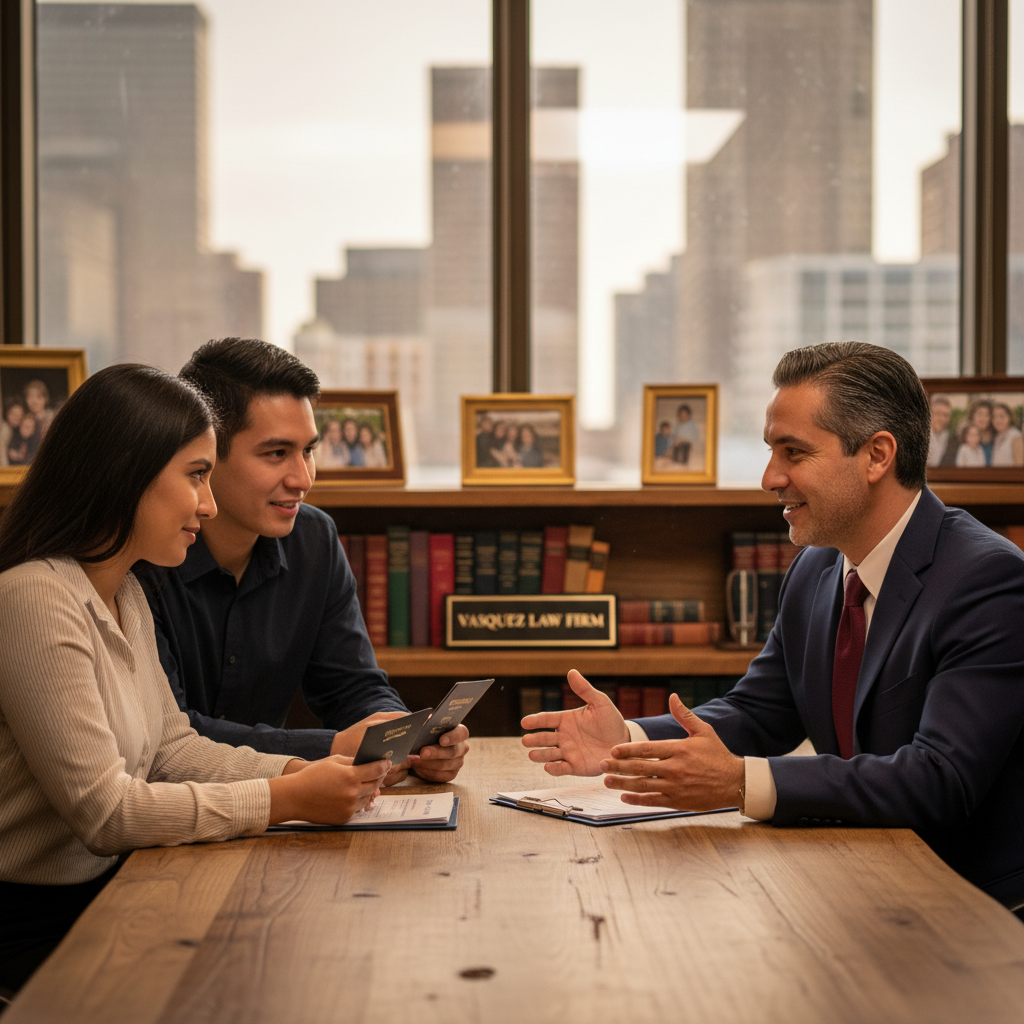
Immigration Lawyer: When to Hire One, What They Do, and How to Choose
If you are searching for an immigration lawyer, you are likely dealing with a high-stakes issue: keeping your family together, getting a work permit, responding to a USCIS request, or fighting removal. The process can feel confusing, slow, and stressful. This guide explains what immigration lawyers do, when you should hire one, and how to pick the right legal help—especially if you are serving Raleigh residents and nearby communities.
Not sure where to start? Talk to Vasquez Law Firm, PLLC about your options. Call 1-844-967-3536—Se Habla Español—or request help online.
What This News Means for Raleigh Residents
Public debates about immigration often focus on slogans instead of solutions. A recent opinion piece argues for a more just immigration system and warns against “empty rhetoric.” That message matters locally because real people in Raleigh live with the consequences of backlogs, shifting policies, and confusing requirements.
Why the national conversation hits home
When the immigration system gets framed as politics instead of people, families can hesitate to seek help until it is too late. Here is the article that sparked this discussion: opinion calling for a more just immigration system. Reading it is helpful, but strong outcomes usually require a strong plan.
Local impact: delays, interviews, and enforcement
Even when the law does not change, timelines and enforcement priorities can. People in Raleigh may deal with:
- USCIS processing delays for family petitions, work permits, and green cards
- Interview notices and requests for evidence (RFEs) that must be answered on time
- Travel risks and visa stamping issues through U.S. consulates
- Removal (deportation) cases that move quickly once they start
What you can control right now
You cannot control the headlines. But you can control the quality of your filing, the evidence you submit, and how you respond to USCIS or Immigration Court. A careful legal review often prevents avoidable denials and delays.
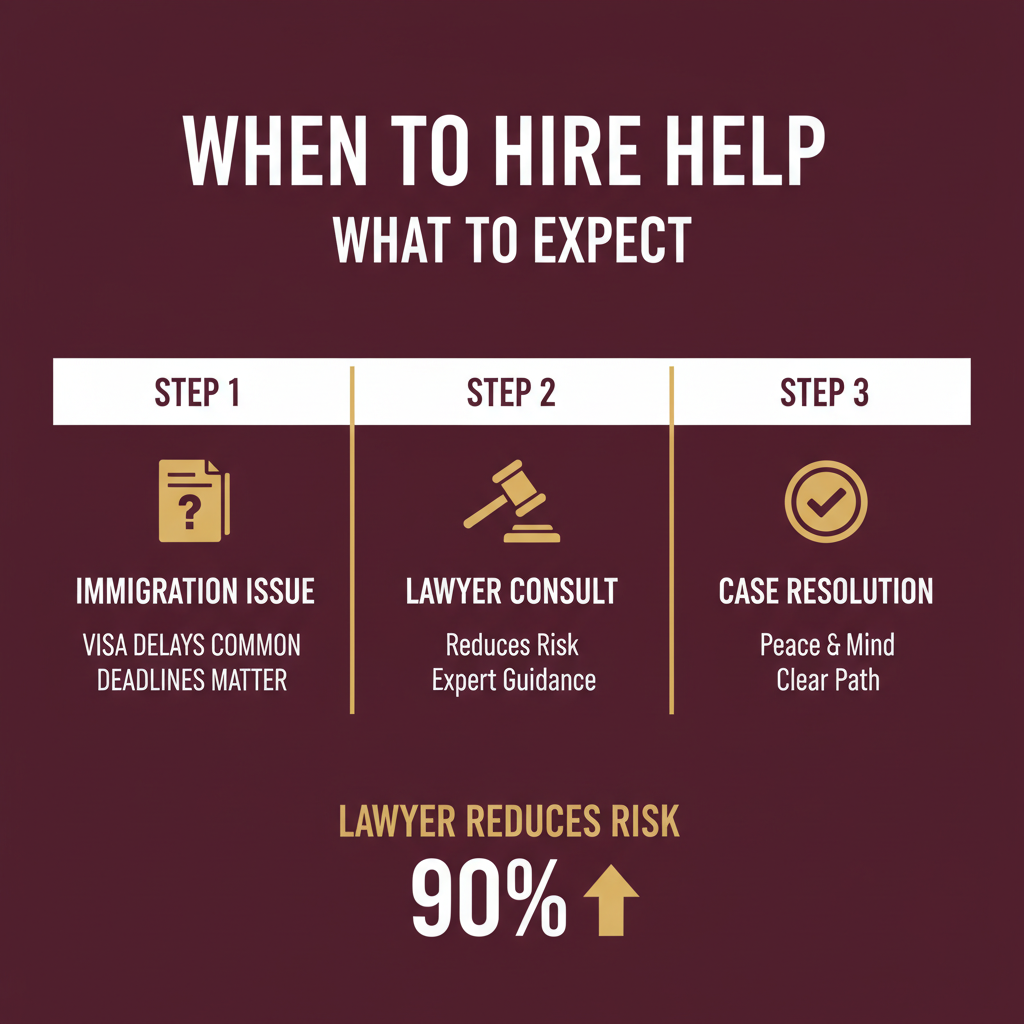
When You Should Hire an Immigration Lawyer
Some people file simple applications on their own. But many cases have hidden issues—past arrests, prior immigration filings, unlawful presence, or missing documents. In those situations, hiring an immigration lawyer can reduce risk and clarify your best path forward.
Common “red flags” that call for legal help
Consider legal guidance if any of these apply:
- You received a Notice to Appear (NTA) or have a court date
- You have prior removals, voluntary departure, or re-entry issues
- You overstayed a visa or entered without inspection
- You have arrests, charges, or convictions (even old or dismissed cases)
- You got an RFE, NOID (Notice of Intent to Deny), or denial
- You are worried about fraud findings or misrepresentation
High-stakes moments where timing matters
Immigration deadlines are strict, and missing one can be costly. A lawyer can help you track time-sensitive steps, like responding to notices, preparing for interviews, and filing motions or appeals when allowed.
Peace of mind for families and employers
Beyond forms, immigration cases are about people and jobs. Good legal guidance can help you understand what is realistic, what evidence matters, and what to do if the government requests more information.
What an Immigration Lawyer Does (USCIS, DOS, and Court)
Immigration is not one single system. A case may involve USCIS, the Department of State (for consular processing), or the immigration courts (EOIR). A strong strategy considers where your case will be decided and what standards apply.
USCIS filings and interviews
USCIS handles many applications, including family petitions, adjustment of status, work permits, and naturalization. Official instructions and updates are available at USCIS.gov. A lawyer’s role often includes:
- Choosing the right process (adjustment of status vs. consular processing)
- Preparing forms and supporting evidence to meet the legal standard
- Addressing issues like unlawful presence, prior filings, or public charge concerns
- Preparing you for interviews and drafting legal cover letters
Visas and consular processing (Department of State)
If you will complete your case through a U.S. embassy or consulate, the rules and practical risks can look different. The Department of State provides visa information at travel.state.gov (U.S. visas). Legal support may include:
- Document planning and “case theory” for the interview
- Preparing for questions about prior overstays or prior entries
- Helping respond to 221(g) requests or refusals when possible
Removal defense in Immigration Court (EOIR)
Immigration Court is part of EOIR (Executive Office for Immigration Review). You can learn more at justice.gov/eoir. Removal defense may involve:
- Bond hearings and custody reviews (when available)
- Applications for relief, such as cancellation of removal or asylum
- Motions to reopen, continuances, and evidence preparation
- Working with criminal defense counsel when immigration consequences exist
Common Immigration Cases We See in Raleigh (and How They Work)
People often call after they try to file on their own and hit a wall—an RFE, a denial, or a surprise eligibility issue. Below are common case types and what usually matters most.
Family-based green cards and adjustment of status
Many families pursue permanent residence through marriage or a qualifying relative. A key law for adjustment is 8 U.S.C. § 1255, which governs when someone may adjust status in the United States.
Helpful evidence often includes:
- Proof of a real relationship (shared residence, finances, photos, messages)
- Complete civil documents (birth certificates, marriage/divorce records)
- Proof of lawful entry when required (I-94, passport stamps)
Naturalization and U.S. citizenship
Naturalization can be a life-changing step, but eligibility is not just about time in the U.S. It can involve good moral character, travel history, and prior immigration issues. Naturalization authority is set out in 8 U.S.C. § 1427.
If you have arrests, long trips abroad, or old immigration filings, it is smart to get a legal review before filing.
Deportation defense and relief options
Removal defense depends on facts and on what relief is available under the Immigration and Nationality Act (INA). For some people, relief may include cancellation of removal under 8 U.S.C. § 1229b. For others, asylum or related protection may apply, including under 8 U.S.C. § 1158.
Because outcomes can change based on small details, removal cases are one of the clearest times to hire an immigration lawyer.
Worried you may be out of status or already in proceedings? The sooner you get advice, the more options you may have. Call 1-844-967-3536—Se Habla Español—or message us to request help.
How to Choose the Right Immigration Lawyer (and Avoid Costly Mistakes)
Not all legal help is the same. Immigration law is federal, but experience, preparation, and communication style can make a major difference. Use the checklist below before you trust someone with your future.
Credentials, licensing, and real immigration experience
Confirm the person is a licensed attorney in good standing (not a “notario”). Ask how often they handle cases like yours and whether they go to court when needed. Immigration law changes quickly, so experience matters.
At Vasquez Law Firm, PLLC, clients can work with Attorney Vasquez, JD, who has 15 years of experience and is admitted to the North Carolina State Bar and the Florida Bar.
A clear process you can understand
A good lawyer explains the plan in plain language. You should know:
- What you are applying for and why you qualify
- What risks exist (and how to lower them)
- What documents you need and when
- What the timeline may look like
Warning signs to watch out for
Be careful if someone:
- Promises a “guaranteed” result
- Tells you to lie or hide facts
- Won’t give you a written contract or receipt
- Avoids talking about prior arrests or prior immigration history
How Vasquez Law Firm, PLLC Helps Clients in Raleigh
When your family, job, or safety is on the line, you need more than forms. You need a strategy. Serving Raleigh residents and families across the region, our firm focuses on clear guidance, strong documentation, and honest expectations.
Local awareness and practical planning
Many cases involve interviews, biometrics appointments, or document gathering that must happen quickly. For clients in Raleigh, we also consider practical needs like travel time, work schedules, and how to prepare for government appointments.
Depending on the matter, your case may touch federal locations like the U.S. District Court for the Eastern District of North Carolina (Raleigh), or involve coordination with other agencies and courts.
Bilingual support: Se Habla Español
Legal language is hard in any language. We offer bilingual support—Se Habla Español—so you can ask questions, understand your case, and feel confident about the steps ahead.
What working with us typically looks like
While every case is different, many matters follow a simple path:
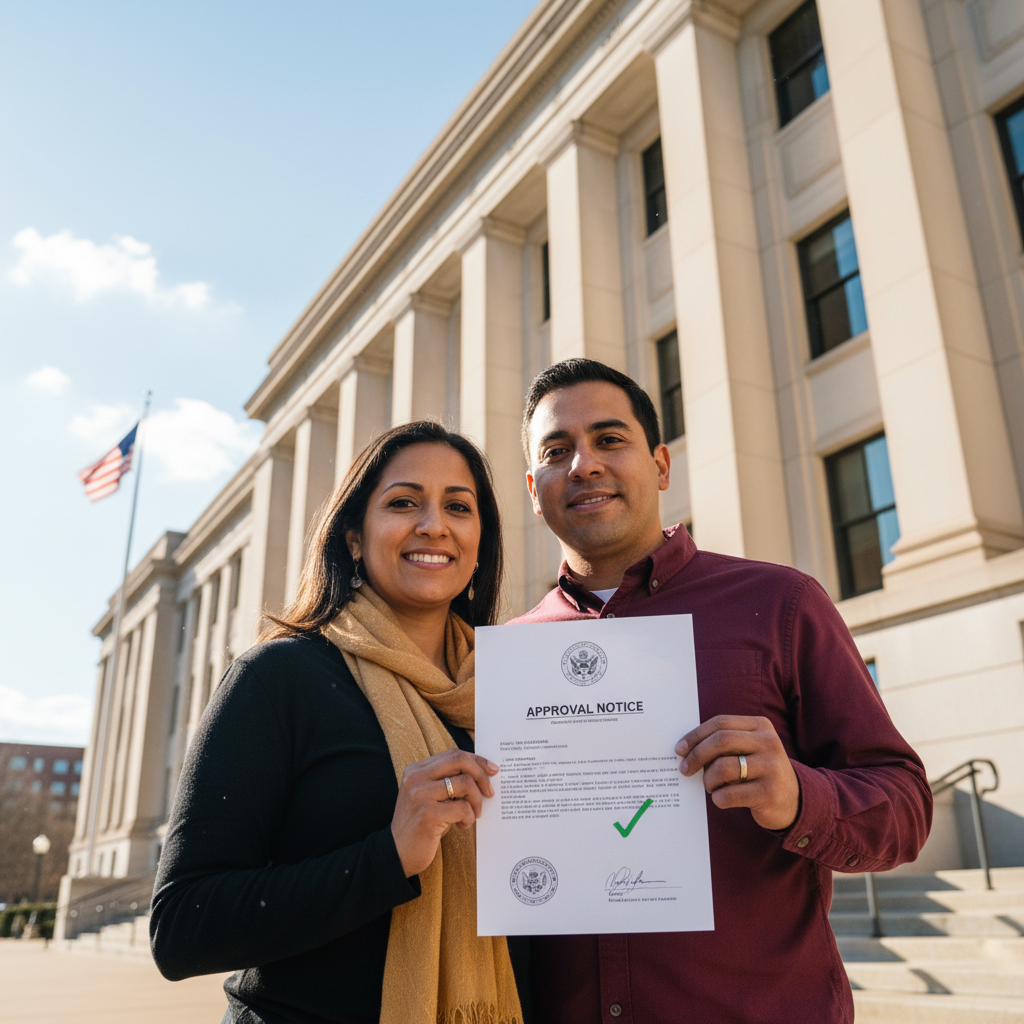
- Case review: We identify goals, risks, and the best route (USCIS, consular, or court).
- Evidence plan: We build a checklist tailored to your eligibility requirements.
- Filing and follow-through: We submit, track, and respond to notices and requests.
- Interview/court prep: We prepare you to answer questions clearly and truthfully.
You can learn more about our Immigration Law services and meet our team through our Attorney Vasquez and attorney page.
Frequently Asked Questions
Below are answers to common questions we hear from people looking for an immigration lawyer in Raleigh and nearby areas like Cary, Durham, Chapel Hill, and Garner.
Fees, timelines, and expectations
- Immigration is paperwork-heavy: Small mistakes can create big delays.
- Timelines vary: Processing times depend on the agency and case type.
- Honesty matters: Misstatements can lead to denials or bars.
Documents people often forget
- All prior immigration filings and notices (even old ones)
- Certified court dispositions for any criminal case
- Passport pages, I-94 records, and travel history
- Proof of shared life for marriage-based cases
1) Do I really need an immigration lawyer for a green card or visa?
Not always. Some straightforward cases can be filed without counsel. But if you have overstays, prior denials, criminal history, prior marriages, or a complicated entry history, legal review can prevent mistakes and help you choose the safest process (adjustment of status vs. consular processing).
2) How much does an immigration lawyer cost?
Fees vary based on complexity, urgency, and whether the case is before USCIS, a consulate, or Immigration Court. Many firms use flat fees for common filings and separate billing for litigation or complex motions. Ask for a written agreement that explains what is included.
3) What should I bring to my consultation?
Bring government notices, IDs, passports, I-94 records, prior applications, and any criminal paperwork. If you do not have documents, bring what you can and write down key dates (entries, exits, arrests, filings). Clear timelines help your attorney spot issues like unlawful presence or inadmissibility.
4) Can a lawyer help if my case was denied?
Often, yes. The options depend on the type of case and the reason for denial. Possible steps include refiling with stronger evidence, filing a motion to reopen or reconsider (when available), or appealing to the correct authority. Acting quickly matters because deadlines can be short.
5) What if I’m afraid to go to an interview or I have a prior overstay?
Fear is common, especially after a prior overstay or denial. A lawyer can help you understand the risks, prepare truthful answers, and decide whether consular processing or adjustment is safer. The right strategy depends on your exact history, including how you entered and any prior immigration encounters.
6) I’m in Raleigh—where will my case be handled?
Many filings are handled by USCIS service centers, and interviews may be scheduled at a USCIS field office serving the region. If you are placed in removal proceedings, your case will be scheduled in Immigration Court under EOIR (often not located in the same city as your home). A lawyer helps you track notices and appear at the right place, at the right time.
Ready for clear answers and a real plan? Contact Vasquez Law Firm, PLLC today. Call 1-844-967-3536—Se Habla Español—or request your consultation online.
Disclaimer: This article is for general information only and is not legal advice. Every case depends on specific facts. For advice about your situation, speak with a qualified attorney.
Free Legal Consultation
Discuss your case with our experienced attorneys. We're available 24/7.
Vasquez Law Firm
Legal Team
Our experienced attorneys at Vasquez Law Firm have been serving clients in North Carolina and Florida for over 20 years. We specialize in immigration, personal injury, criminal defense, workers compensation, and family law.