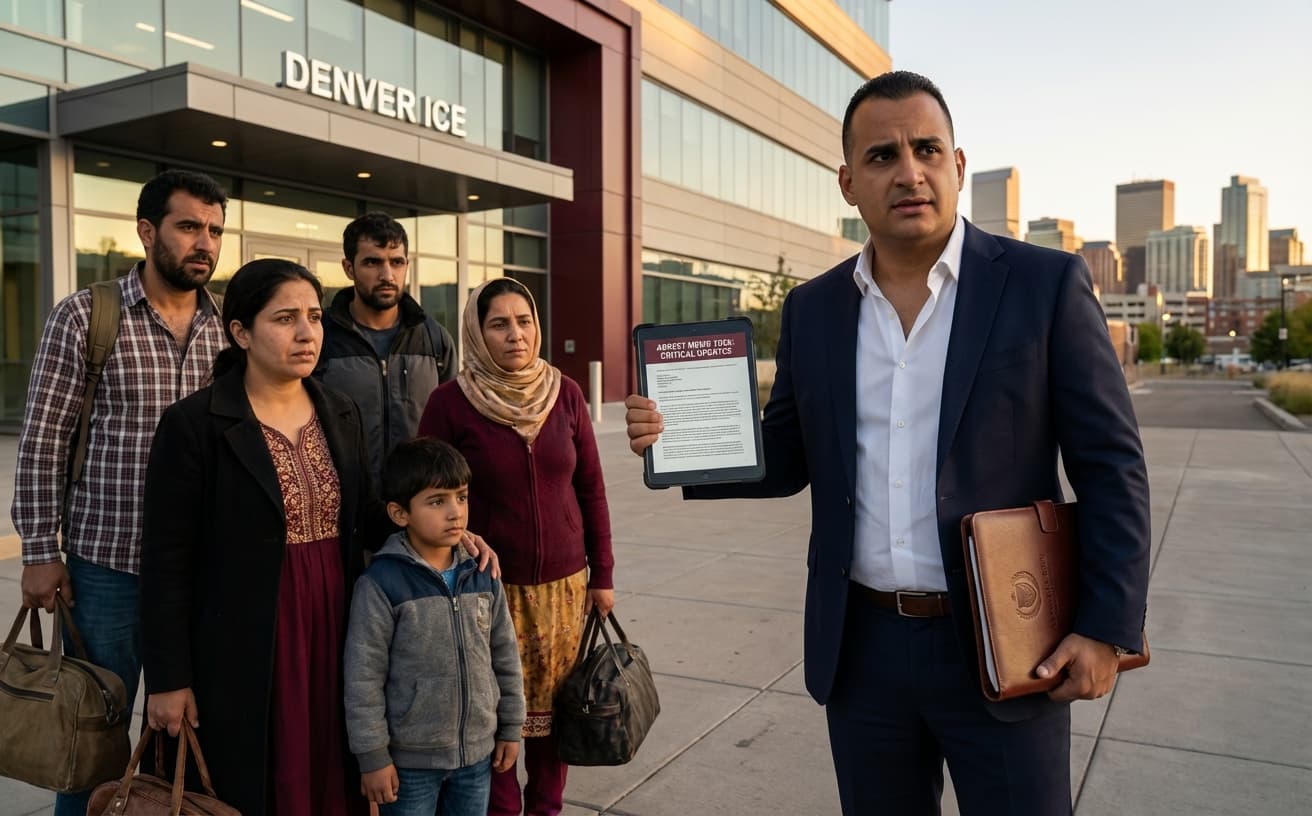
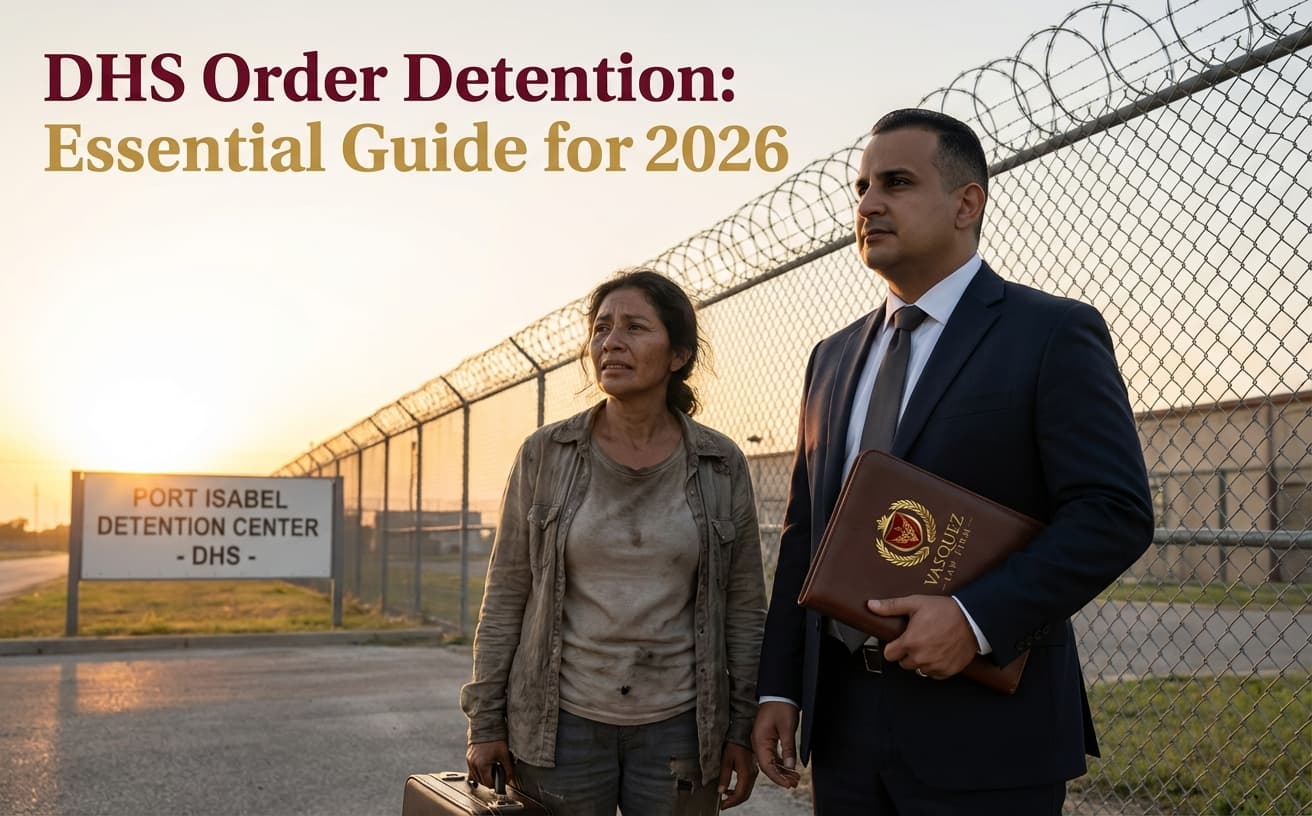
What You Need to Know About DHS Detention Orders in 2026
Understand the impact of a DHS order detention in 2026 and your rights. Get legal help and fight for your freedom. Contact Vasquez Law for a free consultation.
Published on February 20, 2026
Talk to an immigration attorney
Free call. A clear plan for your case.
Free & confidential · Se habla espanol · 24/7
Have questions? Talk to an attorney - free evaluation.
Call 1-844-967-3536Worried how the latest immigration news affects you?
Schedule a confidential case review with an immigration attorney - know exactly where you stand.
What You Need to Know About DHS Detention Orders in 2026
Understanding a DHS order detention is critical for anyone navigating the complex U.S. immigration system in 2026. These orders, issued by the Department of Homeland Security, can significantly impact individuals and families, often leading to immediate apprehension and confinement. Knowing your rights, the legal processes involved, and how to effectively challenge a detention order is paramount to protecting your freedom and future. This comprehensive guide, updated for 2026, aims to demystify DHS detention policies, outline the steps you can take, and explain how an experienced immigration attorney can provide vital assistance. Whether you or a loved one faces potential detention in Smithfield, across North Carolina, Florida, or anywhere nationwide, timely legal intervention is key.
Need help with your case? Our experienced attorneys are ready to fight for you. Se Habla Español.
Schedule Your Free Case Evaluation
Or call us now: 1-844-967-3536
Quick Answer: What is a DHS Order Detention?
A DHS order detention is an official directive from the Department of Homeland Security to take an individual into immigration custody. This can occur for various reasons, including suspected immigration violations, pending deportation proceedings, or national security concerns. Individuals subject to these orders often have rights to due process and may be eligible for bond or other forms of release.
- It's a formal directive for immigration custody.
- Reasons include suspected violations or pending deportation.
- Individuals have due process rights.
- Eligibility for bond or release may apply.
- Prompt legal action is crucial to challenge detention.
Understanding DHS Detention Orders: Key Facts [2026]
This infographic visually explains the core aspects of DHS detention orders, including common reasons for detention, the immediate impact on individuals, and the importance of legal representation.
Call Vasquez Law Firm today for help understanding your detention order.
Understanding DHS Detention Orders and Their Impact
A DHS order detention represents a significant legal action by the U.S. government, specifically the Department of Homeland Security, to place an individual into immigration custody. These orders are not arbitrary; they are typically issued when there is a belief that an individual has violated immigration laws, poses a flight risk, or may be a danger to the community. The impact on individuals and their families can be profound, leading to immediate separation, loss of employment, and immense emotional distress.
The legal basis for a DHS detention order often stems from federal statutes, such as the Immigration and Nationality Act (INA), which grants broad authority to immigration officers. For instance, INA § 236(c) mandates detention for certain criminal offenses, while other sections allow for discretionary detention. Understanding the specific legal grounds for your detention is the first step in formulating an effective defense strategy. This often requires careful review of official documents and a thorough understanding of current immigration policies in 2026.
Upon receiving a DHS order detention, an individual is usually taken to an immigration detention facility. These facilities can be located anywhere from Smithfield to across North Carolina, Florida, or other states. The conditions, access to legal resources, and processing times can vary significantly between facilities. It is crucial for detained individuals to be aware of their rights, including the right to communicate with an attorney and family members, and to refuse to sign any documents without legal counsel present.
Common Reasons for a DHS Order Detention
DHS issues detention orders for a variety of reasons, each carrying different legal implications. One common reason is a visa overstay, where an individual remains in the U.S. beyond the authorized period. Another significant cause is the commission of certain criminal offenses, particularly those involving moral turpitude or aggravated felonies, which can lead to mandatory detention under federal law. Individuals with prior deportation orders or those who re-entered the U.S. illegally after a previous removal are also frequent targets for detention.
Furthermore, individuals encountered at the border seeking asylum or those deemed a national security risk may also face a DHS order detention. Changes in immigration enforcement priorities, such as those implemented by various administrations, can also influence who is targeted for detention. For example, recent policy shifts in 2026 have emphasized expedited removal processes for certain groups, increasing the likelihood of detention for those who fall within these categories. It's vital to assess the specific reason for detention to understand the legal avenues available for release.
Your Rights and the DHS Detention Process
When faced with a DHS order detention, understanding your rights is paramount. You have the right to remain silent and not answer questions beyond identifying yourself. You also have the right to speak with an attorney, and crucially, you should not sign any documents without consulting legal counsel. Signing certain documents could waive your rights or even admit to removability, making your case more difficult to fight later on. These rights are fundamental protections under U.S. law, even for non-citizens.
The detention process typically begins with apprehension by Immigration and Customs Enforcement (ICE) agents, often based on an administrative warrant or during a routine interaction. After apprehension, individuals are usually transported to a processing center before being moved to a detention facility. During this initial phase, it is critical to assert your right to legal representation. Family members should also be aware of how to locate a detained individual through the ICE Detainee Locator System, a vital tool for connecting with loved ones.
Challenging a DHS Order Detention: Options for Release
There are several legal avenues to challenge a DHS order detention and seek release. One common option is a bond hearing before an immigration judge, where the judge determines if the individual is eligible for bond and sets an appropriate amount. Eligibility often depends on factors such as criminal history, ties to the community, and flight risk. Another possibility is parole, which allows for release from detention under specific conditions, often granted for humanitarian reasons or in cases where detention is not in the public interest.
In some cases, individuals may pursue habeas corpus petitions in federal court, arguing that their detention is unlawful. This is a powerful legal tool but requires experienced legal representation due to its complexity. For those facing mandatory detention, challenging the underlying grounds for that detention, such as disputing a criminal conviction, may be the only path to release. An attorney from Vasquez Law Firm can assess your specific situation and advise on the most viable strategy for challenging your DHS order detention and securing your release.
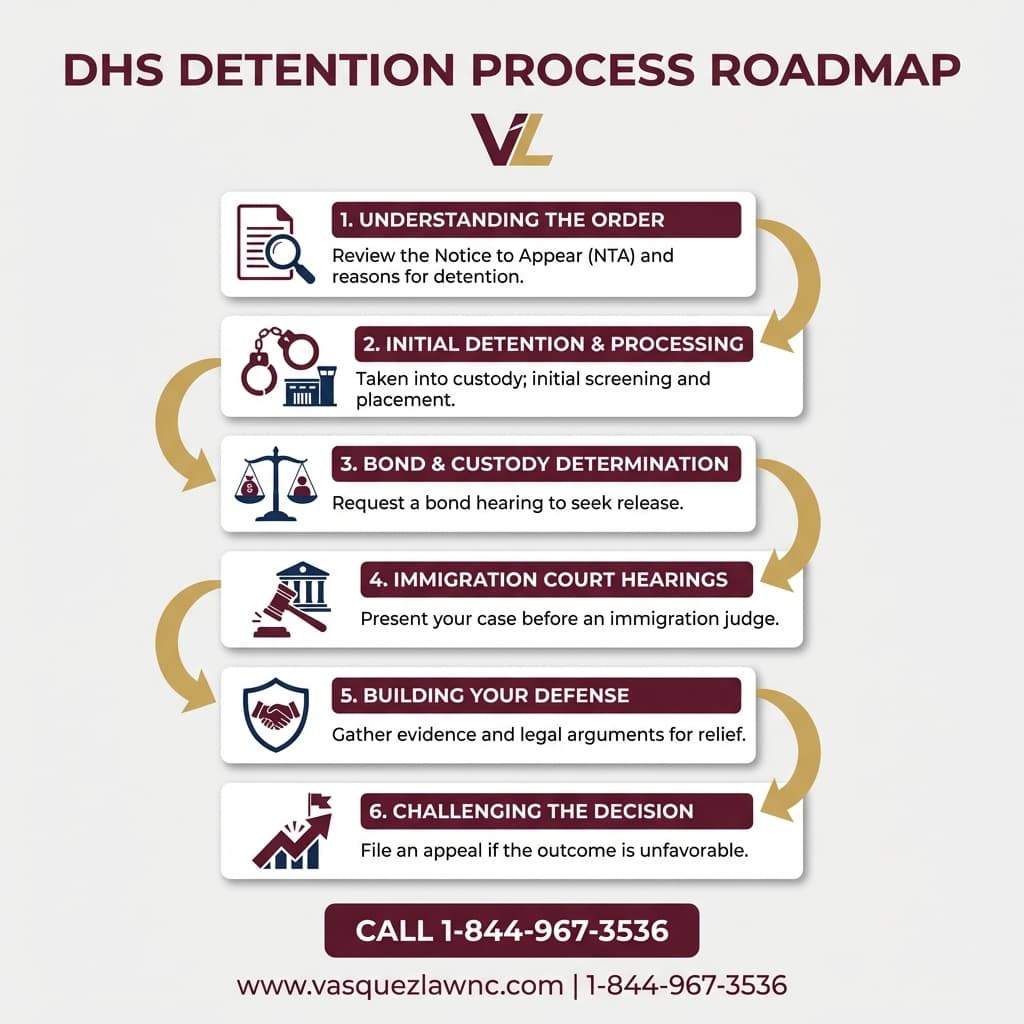
Step-by-Step: Responding to a DHS Detention Order
Facing a DHS order detention can be overwhelming, but having a clear plan of action can make a significant difference. Here’s a step-by-step guide on how to respond:
- Remain Calm and Assert Your Rights: Upon apprehension, stay calm. Clearly state that you wish to remain silent and will not answer questions without an attorney present. Do not sign any documents unless advised by your lawyer.
- Identify the Detaining Agency and Reason: Try to ascertain which agency is detaining you (e.g., ICE, CBP) and the stated reason for your detention. This information is crucial for your legal team.
- Contact an Attorney Immediately: This is the most critical step. Reach out to an immigration attorney or have a family member do so. An attorney can initiate contact with the detention facility and begin working on your case. Vasquez Law Firm offers immediate assistance for detention cases.
- Locate the Detained Individual: If a loved one is detained, use the ICE Detainee Locator System. This online tool requires the individual's A-number (Alien Registration Number) or biographical information to find their location.
- Gather All Relevant Documents: Collect any immigration documents, court records, or personal identification that could be relevant to the case. This includes passports, visas, birth certificates, and any prior immigration correspondence.
- Prepare for a Bond Hearing: If eligible for a bond hearing, work with your attorney to gather evidence of strong community ties, employment, and family support. This evidence can help persuade an immigration judge to grant a lower bond or release without bond.
- Explore All Legal Avenues: Your attorney will evaluate options such as bond, parole, challenging removability, or seeking relief from removal. Each case is unique, and a tailored strategy is essential.
- Stay Informed and Patient: The immigration legal process can be lengthy. Stay in regular communication with your attorney and be prepared for potential delays.
Documents and Evidence Checklist for Detention Cases
When dealing with a DHS order detention, having the right documents and evidence is crucial for a strong defense. Prepare these items as quickly as possible:
- Proof of Identity: Passport, birth certificate, state ID, or any government-issued identification.
- Immigration Documents: Visa, I-94 arrival/departure record, Green Card (tarjeta verde), employment authorization documents (EAD), notices of appearance, or any correspondence from USCIS or immigration courts.
- Criminal Records: If applicable, certified copies of all arrest records, court dispositions, and sentencing documents, even for minor offenses.
- Proof of Family Ties: Marriage certificates, birth certificates of U.S. citizen children, family photos, and letters of support from family members.
- Proof of Community Ties: Letters from community leaders, religious figures, or employers.
- Financial Stability Evidence: Bank statements, pay stubs, tax returns, property deeds, or lease agreements.
- Medical Records: If the detained individual has a serious medical condition that requires specific care.
- Educational Records: Diplomas, transcripts, or enrollment verification.
- Military Service Records: If the individual or a family member has served in the U.S. military.
Timeline: What to Expect After a DHS Order Detention
The timeline following a DHS order detention can vary greatly depending on the specifics of the case and the jurisdiction. However, understanding a general sequence of events can help manage expectations:
- Immediate Apprehension (Day 1): The individual is taken into custody by ICE or CBP. Processing at a local facility often occurs within hours.
- Transfer to Detention Center (Day 1-7): Within a few days, the individual is usually transferred to a long-term immigration detention facility. This could be in Smithfield, elsewhere in North Carolina, Florida, or another state.
- Initial Immigration Court Hearing (Master Calendar Hearing) (1-4 weeks): The first appearance before an immigration judge. Here, the judge will confirm identity, explain charges, and allow the individual to request legal representation.
- Bond Hearing (If Applicable) (2-6 weeks): If eligible, a separate hearing will be scheduled to determine bond eligibility and amount. This can sometimes occur concurrently with the Master Calendar Hearing.
- Merits Hearing (Individual Hearing) (Months to Years): This is the main hearing where evidence is presented, and the immigration judge decides on removability and any requested relief from removal. The backlog in immigration courts means this can take a significant amount of time.
- Appeals Process (Months to Years): If the immigration judge's decision is unfavorable, either side can appeal to the Board of Immigration Appeals (BIA), and potentially to federal circuit courts.
- Release or Removal: The final outcome will either be release from detention and permission to remain in the U.S. or removal (deportation).
Costs and Fees: What Impacts the Price of Legal Representation
The cost of legal representation for a DHS order detention case can vary significantly due to several factors. It's an investment in your freedom and future, and understanding these factors can help you prepare. Vasquez Law Firm is transparent about its fee structures and offers payment plans when possible.
- Case Complexity: Simple bond hearings are generally less expensive than complex cases involving criminal convictions, multiple appeals, or novel legal arguments.
- Attorney Experience: Highly experienced attorneys, like those at Vasquez Law Firm with over 15 years of practice, often charge higher fees, but their expertise can lead to more favorable outcomes.
- Duration of Detention: Longer detention periods may require more extensive legal work, including multiple hearings and continuous advocacy, which can increase costs.
- Location of Detention: Travel expenses may be incurred if the detention facility is far from the attorney's office, especially for cases in different regions of North Carolina, Florida, or other states.
- Types of Filings: Different applications and motions (e.g., bond motions, requests for prosecutorial discretion, appeals) each have associated legal fees and sometimes filing fees with the government.
- Expert Witnesses: In some cases, expert testimony (e.g., psychological evaluations, country conditions experts) may be necessary, adding to the overall cost.
Common Mistakes and How to Avoid Them in Detention Cases
Navigating a DHS order detention is fraught with potential pitfalls. Avoiding common mistakes can significantly improve your chances of a positive outcome:
- Not Remaining Silent: Speaking to immigration officers without an attorney can lead to self-incrimination or providing information that can be used against you. Always assert your right to remain silent.
- Signing Documents Without Legal Review: Never sign any immigration documents presented by officers without consulting an attorney. You might inadvertently waive crucial rights or agree to deportation.
- Failing to Inform Family: Detained individuals often struggle to contact family. Ensure your family knows who to call if you are detained, such as Vasquez Law Firm.
- Not Disclosing Criminal History to Your Attorney: Withholding information, especially about past arrests or convictions, can severely undermine your attorney's ability to build a strong defense. Be completely honest.
- Missing Deadlines: Immigration cases have strict deadlines for filings and appeals. Missing these can result in automatic deportation orders or loss of legal remedies.
- Misunderstanding Bond Eligibility: Assuming you are not eligible for bond or failing to present adequate evidence during a bond hearing. Many individuals are eligible for bond and can be released.
- Underestimating the Complexity: Immigration law is incredibly complex and constantly changing. Attempting to navigate it without experienced legal counsel is a common and costly mistake.
- Failing to Gather Sufficient Evidence: A lack of supporting documents for community ties, good moral character, or relief applications weakens your case.
If you only remember one thing: Always assert your right to an attorney and do not sign anything without their review. This single action can protect your future.
Don't face your legal challenges alone. Our team is here to help you every step of the way.
Call today: 1-844-967-3536 | Se Habla Español
Jurisdiction Notes: NC, FL, and Nationwide Immigration Detention
Immigration law in the United States is primarily federal, meaning that a DHS order detention operates under federal statutes and regulations uniformly across the country. However, the practical application and enforcement can have regional nuances, particularly in states like North Carolina and Florida, which have significant immigrant populations and various detention facilities.
North Carolina Specifics
In North Carolina, individuals facing a DHS order detention may be held in facilities such as the Stewart Detention Center or Folkston ICE Processing Center, though these are sometimes out of state. Local law enforcement agencies in Smithfield and other NC cities often cooperate with ICE through various agreements, which can lead to more frequent detentions. Immigration courts in Charlotte and Raleigh handle a high volume of cases, and understanding local court procedures and judicial tendencies can be an advantage. Vasquez Law Firm serves clients throughout North Carolina, providing experienced representation in these courts and facilities.
Florida Specifics
Florida, with its vast coastline and diverse immigrant communities, also sees a high number of DHS detentions. Facilities like the Krome Service Processing Center and Glades County Detention Center are frequently utilized. The proximity to the Caribbean and Latin America means that many detention cases involve individuals apprehended at the border or ports of entry. Immigration courts in Miami, Orlando, and Bradenton are busy, and legal strategies must account for the specific dynamics of Florida's immigration enforcement landscape. Vasquez Law Firm also extends its immigration services to clients across Florida.
Nationwide Concepts (General Only, Rules Vary)
While the federal framework for DHS detention is consistent, the sheer scale of the U.S. immigration system means that procedures and local enforcement priorities can differ. For example, some states may have sanctuary policies that limit local law enforcement cooperation with ICE, while others actively collaborate. The availability of pro bono legal services, access to interpreters, and even the efficiency of court dockets can vary from one region to another. It is crucial for anyone facing a DHS order detention, anywhere in the nation, to seek counsel from an attorney who understands both the overarching federal laws and any relevant local enforcement practices. Vasquez Law Firm handles immigration cases nationwide, ensuring consistent and aggressive representation regardless of location.
When to Call a Lawyer Now About a DHS Order Detention
Immediate action is often required when dealing with a DHS order detention. Do not delay in contacting an attorney if any of the following situations apply to you or a loved one:
- You or a family member has been detained by ICE or CBP.
- You have received a Notice to Appear (NTA) in immigration court.
- You are facing deportation or removal proceedings.
- You believe you are eligible for bond but have been denied.
- You have a prior criminal conviction that could impact your immigration status.
- You are unsure of your immigration status and fear apprehension.
- You have been advised to sign documents by immigration officers.
- You need assistance locating a detained family member.
- You are seeking asylum and have been detained.
- You have questions about mandatory detention laws.
About Vasquez Law Firm
At Vasquez Law Firm, we combine compassion with aggressive representation. Our motto "Yo Peleo" (I Fight) reflects our commitment to standing up for your rights. We understand the fear and uncertainty that a DHS order detention can bring, and we are dedicated to providing clear, effective legal strategies to protect your interests.
- Bilingual Support: Se Habla Español - our team is fully bilingual and ready to communicate effectively in both English and Spanish, ensuring you understand every step of the process.
- Service Areas: We proudly offer immigration services to clients in North Carolina, Florida, and nationwide, providing consistent legal support wherever you are.
- Experience: With over 15 years of dedicated experience in immigration law, personal injury, workers' compensation, criminal defense, family law, and traffic cases, Attorney Vasquez has a proven track record of fighting for his clients.
- Results: We have successfully handled thousands of cases, always striving for the best possible outcomes and providing personalized attention to each client.
Attorney Trust and Experience
Attorney Vasquez holds a Juris Doctor degree and is admitted to practice in both the North Carolina State Bar and Florida Bar. With over 15 years of dedicated legal experience, he has built a reputation for providing personalized attention and achieving favorable outcomes for his clients. His commitment to justice and his aggressive approach mean that when you choose Vasquez Law Firm, you have a relentless advocate on your side, especially when facing a complex DHS order detention.
Frequently Asked Questions About DHS Order Detention
What is the difference between a DHS order detention and a regular arrest?
A DHS order detention is an administrative arrest based on alleged immigration violations, not criminal charges. While it leads to physical custody, it's distinct from a criminal arrest by local police. Immigration detention aims to ensure appearance in immigration court or facilitate removal, governed by federal immigration law, such as the Immigration and Nationality Act. Your rights during an immigration detention differ from those in a criminal proceeding.
Can a DHS order detention be issued without a warrant?
Yes, in many cases, immigration officers can detain individuals without a judicial warrant if they have probable cause to believe the person is removable from the U.S. This is often based on administrative warrants issued by ICE. However, officers still need to have legal authority and a reasonable belief that an immigration violation has occurred. Knowing your rights, like the right to remain silent, is crucial.
What should I do if ICE shows up at my home or workplace?
If ICE agents arrive, do not open your door unless they present a judicial warrant signed by a judge. Ask them to slide the warrant under the door. You have the right to remain silent and should not answer questions without an attorney. Do not sign any documents. Contact an immigration attorney immediately, like Vasquez Law Firm, for guidance.
How long can someone be held under a DHS order detention?
The length of detention varies significantly. Some individuals are held for only a few days, while others can be detained for months or even years, especially if their case involves complex legal issues or appeals. There are limits on prolonged detention, but these are often challenged. An attorney can work to expedite your case or seek bond for release, aiming to minimize the detention period.
What is an A-number and why is it important in detention cases?
An A-number, or Alien Registration Number, is a unique nine-digit number assigned to non-citizens by the U.S. government. It's crucial for tracking immigration cases and locating detained individuals through the ICE Detainee Locator System. When contacting an attorney or searching for a loved one, having their A-number will significantly expedite the process and ensure accurate identification.
Can I get released on bond after a DHS order detention?
Many individuals are eligible for bond, allowing them to be released from detention upon payment of a specified amount. Eligibility depends on factors like criminal history, flight risk, and community ties. An immigration judge determines bond eligibility and amount during a bond hearing. An attorney can argue for a lower bond or release without bond, presenting evidence of strong ties to the community.
What if I have a criminal record? Does it affect my detention?
Yes, a criminal record can significantly impact a DHS order detention. Certain criminal convictions, especially aggravated felonies or crimes involving moral turpitude, can lead to mandatory detention, meaning an individual is not eligible for bond. It can also make it harder to fight deportation. It is crucial to disclose all criminal history to your attorney immediately so they can assess the impact and plan a defense.
How can Vasquez Law Firm help with a DHS order detention?
Vasquez Law Firm provides comprehensive legal assistance for DHS order detention cases. Our services include advising on your rights, communicating with immigration authorities, locating detained individuals, representing clients in bond hearings, challenging the grounds for detention, and exploring all possible avenues for release. We offer aggressive advocacy and compassionate support, working tirelessly to reunite families and protect your freedom.
What is the role of the Board of Immigration Appeals (BIA) in detention cases?
The Board of Immigration Appeals (BIA) is the highest administrative body for interpreting and applying immigration laws. If an immigration judge makes an unfavorable decision regarding a detention or removal case, either side can appeal to the BIA. The BIA reviews decisions and can affirm, modify, or reverse them. It plays a critical role in ensuring fairness and consistency in immigration proceedings.
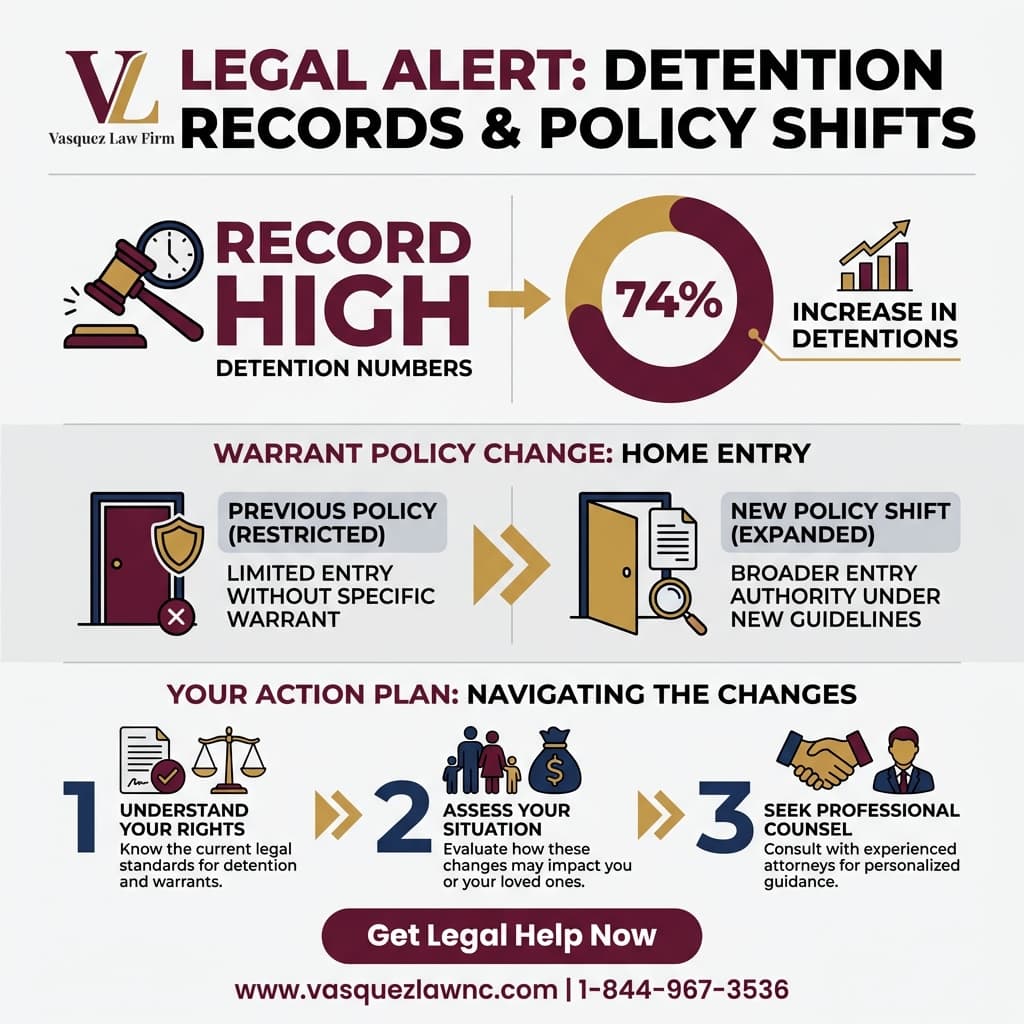
Are there any new policies regarding DHS order detention in 2026?
Immigration policies are subject to frequent changes. As of 2026, there have been ongoing discussions and potential shifts in enforcement priorities and detention policies. It's essential to consult with an experienced immigration attorney who stays updated on the latest legal developments and understands how these changes might impact your specific case. Vasquez Law Firm monitors these updates closely to provide timely and relevant advice.
Sources and References
- U.S. Citizenship and Immigration Services (USCIS)
- Executive Office for Immigration Review (EOIR)
- 8 U.S. Code § 1226 - Apprehension and detention of aliens
Need immigration help? Our immigration attorneys can review your case.
Ready to take the next step? Contact Vasquez Law Firm today for a free, confidential consultation. We're committed to fighting for your rights and achieving the best possible outcome for your case.
Start Your Free Case Evaluation Now
Call us: 1-844-967-3536
Se Habla Español - Estamos aquí para ayudarle.


William Vasquez
Founder & CEO, Vasquez Law Firm, PLLC
William Vasquez is the founder and CEO of Vasquez Law Firm, PLLC, a results-driven firm specializing in immigration, criminal defense, personal injury, and workers' compensation. A U.S. Air Force veteran and recipient of the Joint Service Achievement Medal, William is dedicated to fiercely fighting for his clients' rights.
Related Legal Services
Need legal help? Learn more about our immigration law practice, or contact us for a free evaluation.
You can also visit our North Carolina immigration practice for more information.