How to Avoid Immigration Scams and Get Real Help in 2026
Protect yourself from an immigration scam in 2026. Learn how to identify and report fraud, and get trusted legal help. Contact Vasquez Law Firm today for a free consultation.
Published on February 22, 2026
Talk to an immigration attorney
Free call. A clear plan for your case.
Free & confidential · Se habla espanol · 24/7
Have questions? Talk to an attorney - free evaluation.
Call 1-844-967-3536Worried how the latest immigration news affects you?
Schedule a confidential case review with an immigration attorney - know exactly where you stand.
How to Avoid Immigration Scams and Get Real Help in 2026
Navigating the U.S. immigration system can be complex and challenging, making it a target for unscrupulous individuals and organizations running an immigration scam. Unfortunately, many hopeful immigrants and their families fall victim to these fraudulent schemes each year. Understanding how to identify an immigration scam, what steps to take if you encounter one, and how to report such activities is crucial for protecting your rights and your future. This guide, updated for 2026, provides essential information to help you safeguard yourself and your loved ones from these pervasive threats.
Need help with your immigration case or suspect a scam? Our experienced attorneys are ready to fight for you. Se Habla Español.
Schedule Your Free Case Evaluation
Or call us now: 1-844-967-3536
Quick Answer: Protecting Against Immigration Scams
An immigration scam involves deceptive practices by individuals or entities falsely claiming to provide legitimate immigration services. These scams often target vulnerable individuals seeking visas, green cards, or citizenship, leading to financial loss, legal complications, and even deportation. It is vital to verify credentials, avoid unsolicited offers, and only work with licensed attorneys or accredited representatives.
- Verify credentials of anyone offering immigration services.
- Never pay for blank forms or information readily available from USCIS.
- Be wary of promises for guaranteed results or expedited processes.
- Report suspicious activity to official agencies like USCIS or the FTC.
- Consult with a qualified immigration attorney for reliable legal advice.
Understanding Common Immigration Scams in 2026
Immigration fraud takes many forms, constantly evolving to exploit new vulnerabilities. Recognizing the common tactics used in an immigration scam is the first line of defense. These schemes prey on desperation and a lack of familiarity with complex legal processes, often targeting non-citizens seeking a better life in the United States.
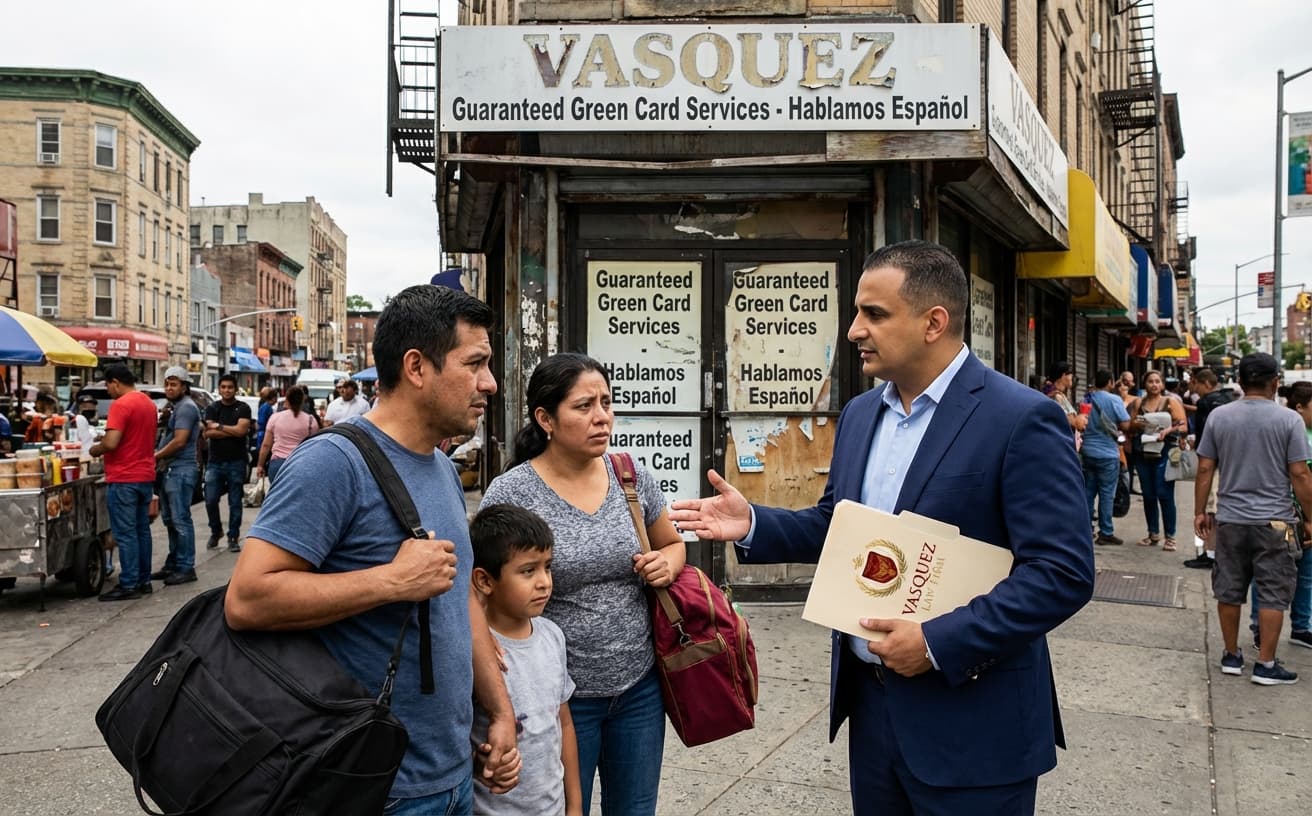
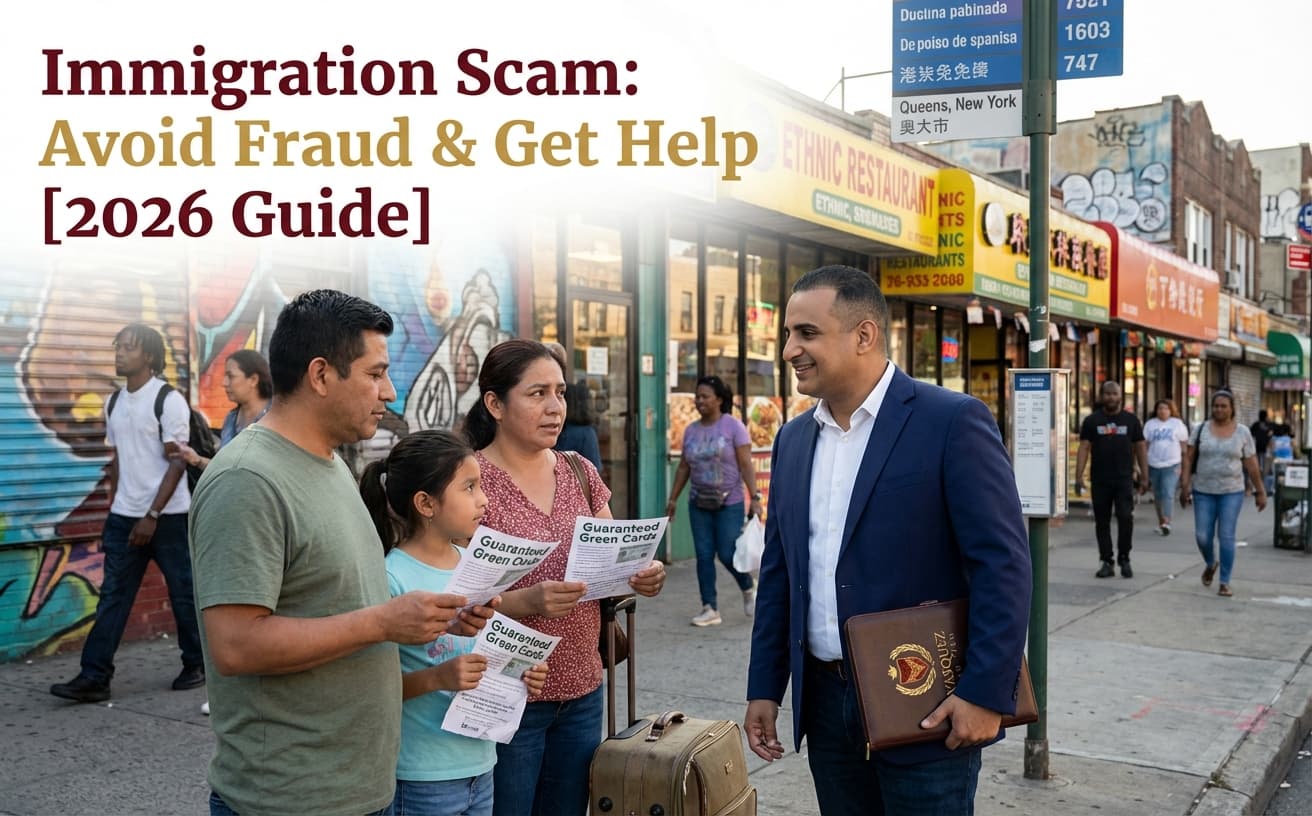
One prevalent type is the 'notario' scam, particularly common in communities with Spanish speakers. In many Latin American countries, a 'notario público' is a highly qualified legal professional, but in the U.S., a 'notary public' is only authorized to witness signatures. Scammers exploit this linguistic difference, posing as legal experts and charging exorbitant fees for services they are not qualified to provide, often leading to incorrect filings or irreparable damage to an immigration case. Another common immigration scam involves fake government officials or calls, where fraudsters demand immediate payment or personal information under threat of arrest or deportation.
These scams are not limited to individuals. Sometimes, entire organizations pose as legitimate law firms or non-profits, running elaborate schemes that defraud hundreds. The key is vigilance and skepticism, especially when confronted with offers that seem too good to be true. Always remember that official government agencies will never demand payment over the phone or through unofficial channels, nor will they threaten immediate arrest for non-compliance.
Common Types of Immigration Fraud
- Notario Fraud: Unqualified individuals posing as legal experts, providing unauthorized advice and services.
- Fake Government Officials: Scammers pretending to be from USCIS, ICE, or the Department of Homeland Security (DHS), demanding money or personal information.
- Marriage Fraud: Entering into a marriage solely for immigration benefits, often facilitated by a third party for a fee.
- Document Fraud: Creating or using false documents, such as birth certificates, passports, or employment letters, to support an immigration application.
- Investment Scams: False promises of obtaining a green card through non-existent investment opportunities.
- Employment Scams: Pledges of jobs or work visas that never materialize after money is paid.
- Online and Email Scams: Phishing emails or websites mimicking official government sites to steal data or money.
Identifying Red Flags of an Immigration Scam
Knowing what to look for can prevent you from becoming a victim. An immigration scam often exhibits clear warning signs that should immediately raise your suspicions. These red flags are consistent across many different types of fraud, whether it's a phone call, an email, or an in-person consultation.
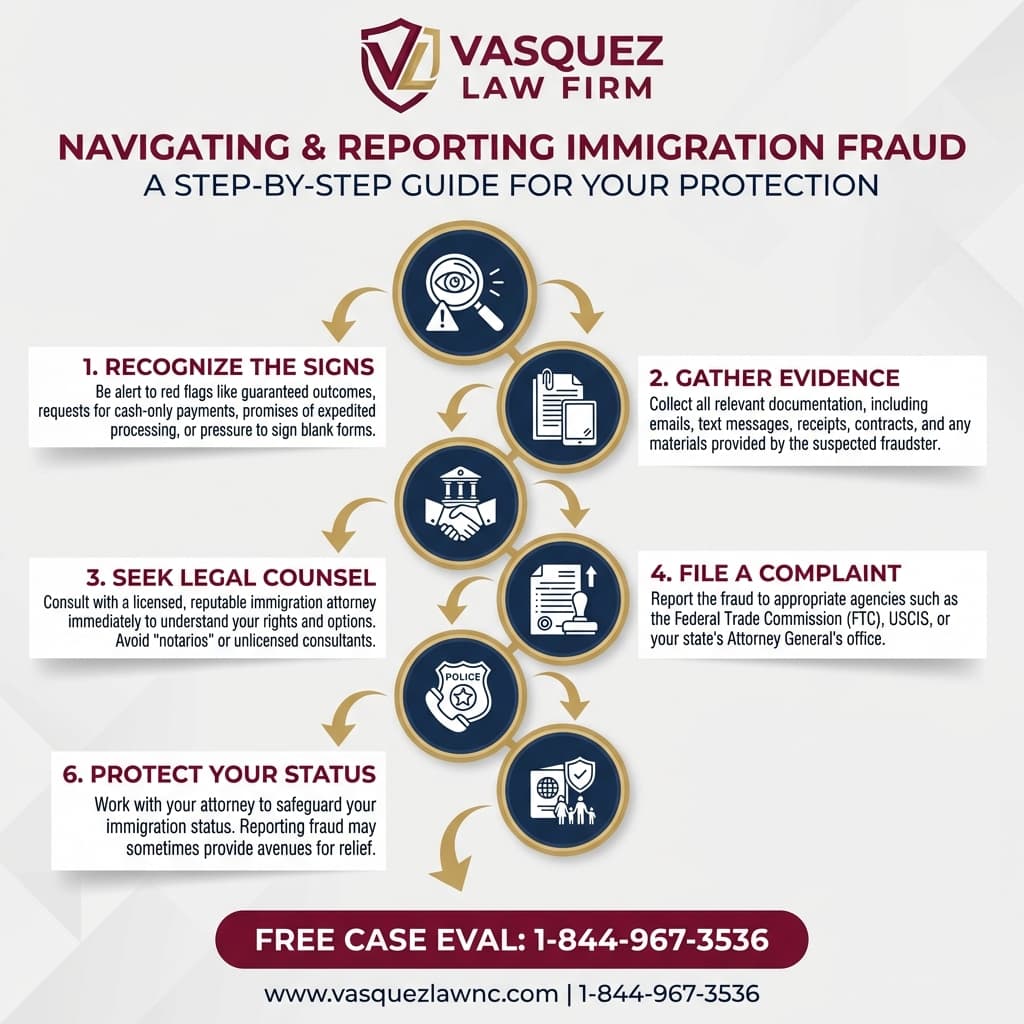
Firstly, be extremely wary of anyone who guarantees specific outcomes or promises to expedite your case for an extra fee. The immigration process is complex and unpredictable; no legitimate attorney or government official can guarantee results. Similarly, if someone asks you to pay for blank forms or information that is freely available on the USCIS website, this is a major red flag. Always consult official sources like USCIS.gov for forms and instructions.
Another critical warning sign is pressure for immediate payment or demands for cash only. Legitimate legal services accept various payment methods and provide clear invoices. Beware of individuals who discourage you from contacting USCIS directly or reviewing your own documents. You have a right to understand every aspect of your case. Lastly, if a person claims to have special connections with immigration officials or suggests circumventing legal procedures, they are almost certainly running an immigration scam.
What to Expect from Legitimate Immigration Services
- Clear Fee Structures: Reputable attorneys provide written fee agreements and transparent billing.
- No Guarantees: They explain the complexities and potential risks without guaranteeing outcomes.
- Client Empowerment: They encourage you to understand your case and review all documents.
- Official Communication: They use official channels and never demand cash or threaten you.
- Licensed Professionals: They are licensed attorneys or accredited representatives recognized by the Board of Immigration Appeals (BIA).
How to Report an Immigration Scam: Your Step-by-Step Guide
If you suspect you have encountered or fallen victim to an immigration scam, reporting it is a critical step. Your report can help protect others and bring fraudsters to justice. Do not be afraid to come forward; government agencies are interested in stopping scams, not penalizing victims.
The first step is to gather all relevant documentation. This includes any contracts, receipts, emails, text messages, phone numbers, names, and addresses of the individuals or organizations involved. The more evidence you have, the stronger your report will be. Next, identify the appropriate agency to report the scam to. Depending on the nature of the fraud, several federal and state agencies may be involved. For instance, if the scam involves federal immigration benefits, USCIS is a primary contact.
You can report an immigration scam to USCIS directly through their tip line or by submitting a detailed letter. The Federal Trade Commission (FTC) is another vital resource for reporting fraud, especially if it involves financial loss or identity theft. Additionally, if the scam involves unauthorized practice of law, your state bar association, such as the North Carolina State Bar or the Florida Bar, should be notified. Local law enforcement can also be involved, especially if there's physical harm or severe financial exploitation. Remember, anonymity can often be maintained if you are concerned about retaliation, although providing your contact information may help investigators follow up.
Key Agencies for Reporting Immigration Fraud
- U.S. Citizenship and Immigration Services (USCIS): For fraud related to immigration benefits or unauthorized practice of law. You can use their online tip form or call the National Customer Service Center.
- Federal Trade Commission (FTC): For general consumer fraud, identity theft, or deceptive business practices. Report online at ReportFraud.ftc.gov.
- State Bar Association: If an unlicensed individual is practicing law, contact the bar association in the state where the activity occurred (e.g., North Carolina State Bar, Florida Bar).
- Attorney General's Office: Your state's Attorney General may have a consumer protection division that handles fraud complaints.
- Immigration and Customs Enforcement (ICE): For serious criminal activity related to immigration fraud.
- FBI: For large-scale fraud schemes or organized crime.
Don't face your legal challenges alone. Our team is here to help you every step of the way.
Call today: 1-844-967-3536 | Se Habla Español
Legal Protections and Recourse for Victims
Victims of an immigration scam are not without legal options. The U.S. legal system provides various protections and avenues for recourse. Understanding these can empower you to seek justice and recover from the damages caused by fraud. It's important to remember that being a victim of fraud does not automatically jeopardize your immigration status, especially if you cooperate with authorities.
One significant protection is the ability to file a complaint with the appropriate regulatory bodies, as mentioned in the reporting section. These agencies can investigate, impose fines, and even pursue criminal charges against fraudsters. Additionally, victims may have grounds to pursue civil lawsuits against the individuals or entities responsible for the fraud, seeking financial compensation for losses incurred. This can include fees paid, lost wages, and other damages directly resulting from the scam.
For some victims, specific immigration relief might be available, such as U nonimmigrant status (U visa) for victims of certain crimes who cooperate with law enforcement, or T nonimmigrant status (T visa) for victims of human trafficking. It's crucial to consult with an experienced immigration attorney, like those at Vasquez Law Firm, to explore all available legal protections and recourse options. They can assess your situation, help you gather evidence, and guide you through the complex process of reporting and seeking justice, ensuring your rights are protected under federal law, such as the Immigration and Nationality Act (INA).
How an Attorney Can Help Victims of Immigration Fraud
- Case Evaluation: Assess the details of the scam and its impact on your immigration status.
- Evidence Collection: Help gather and organize documents, communications, and other proof of fraud.
- Reporting Assistance: Guide you through reporting the scam to the correct federal and state agencies, ensuring proper procedures are followed.
- Legal Representation: Represent you in civil lawsuits to recover financial losses from the fraudsters.
- Immigration Relief: Explore potential immigration relief options, such as U visas or T visas, if applicable.
- Protecting Your Status: Work to mitigate any negative impact the scam might have had on your current or future immigration applications.
Preventing Future Immigration Scams: Best Practices for 2026
Prevention is always better than cure, especially when it comes to an immigration scam. By adopting proactive habits and staying informed, you can significantly reduce your risk of falling victim to fraud. This involves careful research, critical thinking, and a commitment to only engaging with trusted legal professionals.
Always verify the credentials of anyone offering immigration services. For attorneys, check their state bar association website. For non-attorney representatives, ensure they are accredited by the Board of Immigration Appeals (BIA) and working for a BIA-recognized organization. Never sign blank forms or documents you don't fully understand. Insist on receiving copies of all documents submitted on your behalf, and review them thoroughly. If you don't speak English, ensure all documents are translated into a language you understand before signing. Under 8 U.S.C. § 1362, you have the right to legal representation in immigration proceedings, but only by qualified individuals.
Be wary of any unsolicited contact, whether by phone, email, or social media, claiming to be from a government agency. Official communications usually come by mail and will never demand immediate payment via gift cards or wire transfers. Trust your instincts; if something feels wrong, it probably is. Education and vigilance are your strongest tools against an immigration scam in 2026.
Trusted Resources for Immigration Information
- USCIS Website: The official source for immigration forms, instructions, and policy updates.
- Executive Office for Immigration Review (EOIR): Provides information on immigration court proceedings and accredited representatives.
- American Immigration Lawyers Association (AILA): Can help you find an experienced immigration attorney.
- Non-profit Legal Aid Organizations: Many organizations offer low-cost or free immigration legal services.
Vasquez Law Firm: Your Partner Against Immigration Scams
At Vasquez Law Firm, we understand the profound impact an immigration scam can have on individuals and families. Our motto "Yo Peleo" (I Fight) reflects our commitment to standing up for your rights and protecting you from fraud. We combine compassion with aggressive representation, ensuring you receive the dedicated advocacy you deserve.
Our firm provides comprehensive immigration services in North Carolina, Florida, and nationwide. We are dedicated to guiding our clients through the complex immigration system, offering clear, honest advice, and fighting tirelessly for favorable outcomes. Whether you need help with a visa application, green card process, citizenship, or are dealing with the aftermath of an immigration scam, our team is here to help.
Attorney Trust and Experience
Attorney Vasquez holds a Juris Doctor degree and is admitted to practice in both the North Carolina State Bar and Florida Bar. With over 15 years of dedicated legal experience, he has built a reputation for providing personalized attention and achieving favorable outcomes for his clients. He and his team are fully bilingual, offering support in both English and Spanish to ensure clear communication and understanding throughout your legal journey.
Frequently Asked Questions About Immigration Scams
What is a common example of an immigration scam?
A common immigration scam involves 'notarios' or immigration consultants who are not licensed attorneys. They often charge high fees for simple tasks like filling out forms, claiming they can provide legal advice or guarantee results. This can lead to incorrect filings, missed deadlines, or severe negative consequences for an immigrant's case, often resulting in deportation proceedings or denial of benefits. Always verify credentials.
What are the typical scam calls from immigration authorities?
Scam calls from individuals impersonating immigration authorities (like USCIS or ICE) often involve threats of immediate arrest or deportation if a payment isn't made or personal information isn't provided. They might demand payment via gift cards, wire transfers, or cryptocurrency. Legitimate government agencies will never demand immediate payment by phone or threaten you in this manner. Hang up and report the call.
How can you identify a fake immigration consultant?
Fake immigration consultants often guarantee results, charge for blank forms, discourage direct contact with USCIS, or refuse to provide written contracts and receipts. They may use titles like 'notario publico' to mislead. Always check if they are a licensed attorney with a state bar or an accredited representative with the Board of Immigration Appeals (BIA) before engaging their services.
How do I report an immigration scam to authorities?
You can report an immigration scam to USCIS via their online tip form or by calling their National Customer Service Center. For broader fraud, report to the Federal Trade Commission (FTC) at ReportFraud.ftc.gov. If an unlicensed individual is practicing law, contact your state bar association. Gather all documentation, including names, numbers, and communications, to support your report.
Can I anonymously report someone to immigration?
Yes, you can often report suspicious activities or an immigration scam anonymously to various agencies. USCIS has a fraud tip form where you can submit information without revealing your identity. The FTC also allows anonymous reporting of fraud. While providing contact information can aid investigations, agencies understand the need for privacy and can act on anonymous tips to protect victims.
What should I do if I suspect an email from USCIS is a scam?
If you receive an email from 'USCIS DHS gov' or a similar address that looks suspicious, do not click on any links or open attachments. Legitimate USCIS emails typically come from addresses ending in .gov, but scammers can spoof these. Look for poor grammar, urgent demands, or requests for personal information. Forward suspicious emails to the USCIS webmaster at uscis.webmaster@uscis.dhs.gov and then delete them.
What are the consequences of falling for an immigration scam?
Falling for an immigration scam can lead to significant financial losses, damage to your immigration case, and even put you at risk of deportation. Incorrectly filed applications or fraudulent documents can result in denials, bars to future immigration benefits, and severe legal penalties. It's crucial to seek immediate legal counsel if you believe you've been victimized to mitigate potential negative outcomes.
How can Vasquez Law Firm help me if I've been a victim of an immigration scam?
Vasquez Law Firm can provide comprehensive support if you've been a victim of an immigration scam. Our experienced attorneys will review your case, help you gather evidence, and guide you through reporting the fraud to the appropriate authorities. We can also assess any damage to your immigration status and explore legal remedies, including potential civil action against the fraudsters or seeking available immigration relief options like U or T visas. We are committed to fighting for your rights.
Are there specific protections for immigration scam victims in North Carolina or Florida?
While immigration law is primarily federal, state laws in North Carolina and Florida offer consumer protection against fraud and unauthorized practice of law. Victims can report to state Attorney General offices or State Bar associations. Additionally, federal protections like U visas are available nationwide for victims of certain crimes, including severe forms of fraud, who cooperate with law enforcement. Consulting a local attorney is key to understanding all available state-specific avenues for recourse.
What is immigration marriage fraud and how can I report it anonymously?
Immigration marriage fraud occurs when individuals enter into a marriage solely to obtain immigration benefits, not out of genuine marital intent. This is a serious federal crime. You can report suspected marriage fraud anonymously to USCIS or ICE through their tip lines or online forms. Providing detailed information and evidence, such as names, dates, and specific reasons for suspicion, can assist investigators while protecting your identity.
Sources and References
- U.S. Citizenship and Immigration Services (USCIS)
- Federal Trade Commission (FTC) Report Fraud
- Executive Office for Immigration Review (EOIR)
- 8 U.S.C. § 1362 - Right to counsel
- North Carolina State Bar
- Florida Bar
Need immigration help? Our immigration attorneys can review your case.
Ready to take the next step? Contact Vasquez Law Firm today for a free, confidential consultation. We're committed to fighting for your rights and achieving the best possible outcome for your case.
Start Your Free Case Evaluation Now
Call us: 1-844-967-3536
Se Habla Español - Estamos aquí para ayudarle.


William Vasquez
Founder & CEO, Vasquez Law Firm, PLLC
William Vasquez is the founder and CEO of Vasquez Law Firm, PLLC, a results-driven firm specializing in immigration, criminal defense, personal injury, and workers' compensation. A U.S. Air Force veteran and recipient of the Joint Service Achievement Medal, William is dedicated to fiercely fighting for his clients' rights.
Related Legal Services
Need legal help? Learn more about speak with an immigration lawyer, or contact us for a free evaluation.
You can also visit our North Carolina immigration practice for more information.