What the Federal Judge Ruling on Haitian TPS Means for You in 2026
A federal judge keeps Haitian TPS in place, providing critical protection for many. Learn what this means for you in 2026. Contact Vasquez Law for help.
Published on February 24, 2026
Talk to an immigration attorney
Free call. A clear plan for your case.
Free & confidential · Se habla espanol · 24/7
Have questions? Talk to an attorney - free evaluation.
Call 1-844-967-3536Worried how the latest immigration news affects you?
Schedule a confidential case review with an immigration attorney - know exactly where you stand.
What the Federal Judge Ruling on Haitian TPS Means for You in 2026
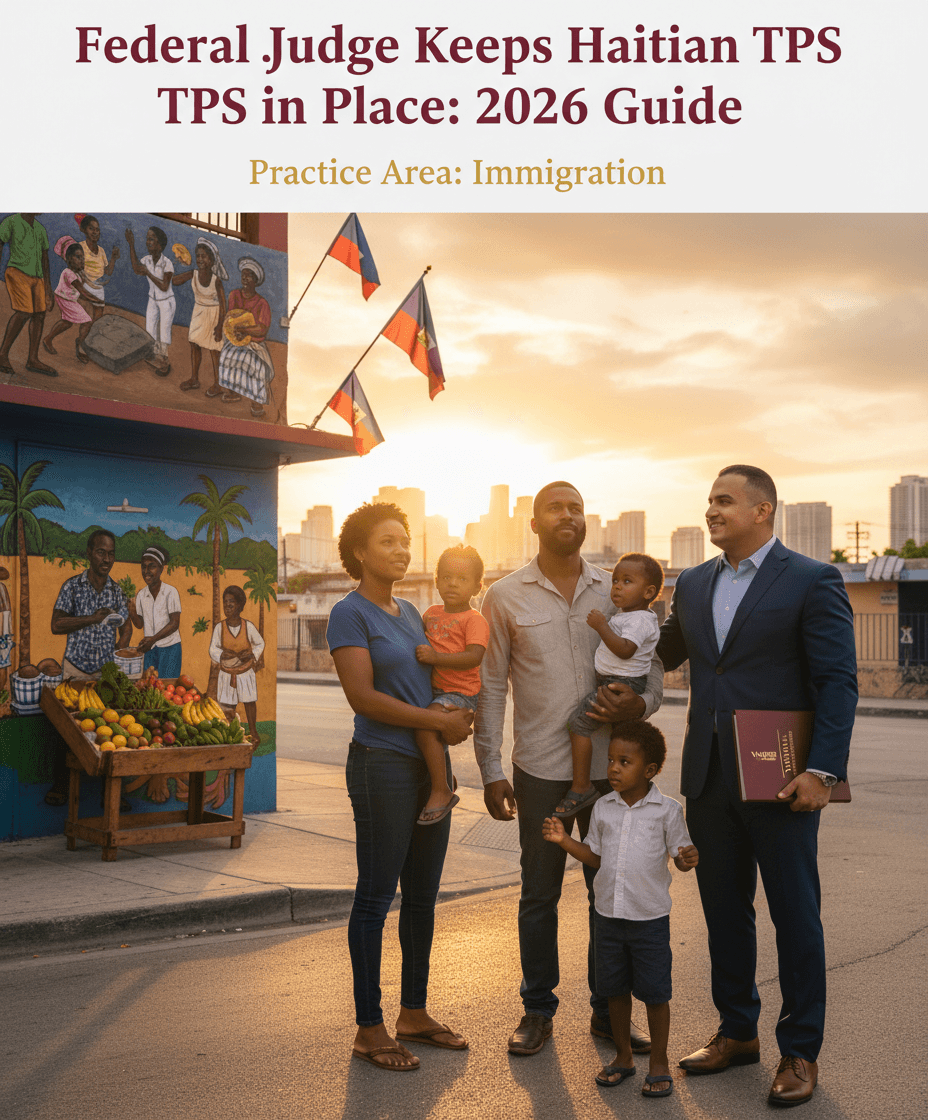
The status of Temporary Protected Status (TPS) for Haitian nationals has been a source of significant uncertainty and anxiety for years. In a pivotal decision, a federal judge keeps Haitian TPS in place, providing a crucial lifeline for thousands of individuals and families. This ruling, effective for 2026, means that current beneficiaries continue to be protected from deportation and retain work authorization. Understanding the implications of this decision is vital for those living in North Carolina, Florida, and across the nation who rely on TPS for their stability. Vasquez Law Firm is closely monitoring these developments and is prepared to assist you with your immigration needs.
Need help understanding the latest TPS developments? Our experienced immigration attorneys are ready to fight for you. Se Habla Español.
Schedule Your Free Case Evaluation
Or call us now: 1-844-967-3536
Quick Answer: Haitian TPS Status in 2026
As of 2026, a federal judge keeps Haitian TPS in place, temporarily blocking its termination. This means that eligible Haitian nationals with TPS can maintain their status, continue to live and work legally in the U.S., and are protected from deportation. The decision provides stability while legal challenges proceed.
- Haitian TPS remains active for beneficiaries in 2026.
- Protection from deportation continues.
- Work authorization is extended.
- Beneficiaries should continue to re-register as required.
- Consult an attorney for personalized guidance on your specific case.
Understanding the Federal Judge Ruling on Haitian TPS
The recent federal judge ruling is a significant development for the Haitian community. This decision prevents the termination of Temporary Protected Status (TPS) for Haitian beneficiaries, which had been previously ordered by the Trump administration. The judge's denial of the administration's motion to end TPS means that protections remain in effect, offering a temporary reprieve and stability for thousands of individuals. This ruling is a direct response to ongoing litigation challenging the legality of the termination process.
For those holding Haitian TPS, this ruling ensures they can continue to live and work in the United States without fear of deportation, at least for the foreseeable future. It's important to note that while the federal judge keeps Haitian TPS in place, the legal battle is not definitively over. Further appeals or judicial actions could still occur. Therefore, beneficiaries must stay informed and seek expert legal counsel to understand how these developments impact their individual immigration status. Vasquez Law Firm is dedicated to providing up-to-date information and robust representation for the Haitian community.
Background of Haitian TPS Designation
Haiti was initially designated for TPS in 2010 following a devastating earthquake. This designation allowed Haitian nationals who were already in the U.S. at the time to seek temporary humanitarian relief. Over the years, the designation has been extended multiple times due to ongoing instability and recovery challenges in Haiti. However, in 2017, the Trump administration announced its intention to terminate TPS for Haiti, citing improved conditions. This decision sparked a series of legal challenges from TPS beneficiaries and advocacy groups, arguing that conditions in Haiti still warranted protection. The current federal judge ruling is a direct outcome of these legal efforts to block the termination, underscoring the complex interplay between executive policy and judicial oversight in immigration matters.
Impact on Current TPS Holders and Renewals in 2026
The decision by the federal judge to keep Haitian TPS in place has immediate and profound implications for current TPS holders. Firstly, it means that the previously announced termination of TPS for Haiti is currently blocked. This offers continued protection against deportation and maintains work authorization for eligible beneficiaries throughout 2026. For many, this provides immense relief and allows them to continue building their lives and contributing to their communities in places like Orlando, Florida, and across North Carolina.
Secondly, it mandates that USCIS (U.S. Citizenship and Immigration Services) must continue to process TPS applications and renewals for Haitian nationals. Beneficiaries should watch for official announcements from DHS (Department of Homeland Security) and USCIS regarding re-registration periods and updated guidance. It is crucial to follow all instructions for timely re-registration to avoid any lapse in status. Even though a federal judge keeps Haitian TPS in place, individual responsibility for renewal remains paramount. Missing a re-registration deadline could jeopardize your protection, so proactive engagement with the process is essential. For detailed assistance with the renewal process, consider reaching out to an experienced immigration attorney.
What to Expect for TPS Haiti Extension 2027
While the federal judge's ruling provides stability for 2026, the long-term future of TPS for Haiti, particularly regarding a potential TPS Haiti extension 2027, remains subject to ongoing legal proceedings and potential future government actions. The current injunction is temporary, meaning that if the government prevails in its appeals, the termination could eventually proceed. However, new conditions in Haiti or changes in U.S. immigration policy could also lead to a new designation or extension. Beneficiaries should maintain awareness of federal register notices and immigration news today. Consulting with an immigration lawyer regularly is the best way to stay ahead of any changes and prepare for future re-registration periods or alternative immigration pathways. Vasquez Law Firm can help you plan for these potential scenarios.
Legal Challenges and the Role of the Courts in TPS Decisions
The ability of a federal judge to keep Haitian TPS in place highlights the critical role of the judiciary in challenging executive branch immigration decisions. The lawsuit, often referred to as Ramos v. Mayorkas (formerly Ramos v. Nielsen), has been instrumental in blocking the termination of TPS for several countries, including Haiti. These cases typically argue that the administration's decision to terminate TPS was arbitrary and capricious, or that it violated administrative law procedures. The courts examine whether the Department of Homeland Security (DHS) followed proper legal procedures and considered all relevant factors when making its determination.
This ongoing legal battle underscores the checks and balances inherent in the U.S. legal system. While the Executive Branch has the authority to designate and terminate TPS, its decisions can be challenged in federal courts. The recent ruling by a federal judge keeps Haitian TPS in place by finding merit in the arguments against termination, at least for now. This judicial oversight ensures that executive power is exercised within legal bounds and provides a mechanism for affected individuals to seek redress. Understanding these legal precedents is crucial for anyone navigating complex immigration issues. Learn more about judicial orders in immigration cases.
Judge Ana Reyes TPS Haiti Ruling Significance
While specific details about a Judge Ana Reyes TPS Haiti ruling were anticipated, the broader context of federal judges, like those involved in the Ramos case, denying the Trump administration's attempts to end TPS is significant. These judges have often focused on whether DHS's decision-making process for termination was adequately justified and followed legal protocols. Their rulings have emphasized that the government must provide a reasoned explanation for ending a humanitarian protection program, especially when conditions in the home country remain precarious. The impact of such judicial decisions is to temporarily block the axing of deportation protections, allowing TPS beneficiaries to maintain their status while the legal process unfolds. This provides crucial time for individuals to explore other immigration options or for conditions in their home country to potentially improve. Such rulings affirm the judiciary's role as a safeguard for fundamental rights and administrative fairness.
What This Means for Haitian Nationals in NC and FL
For Haitian nationals residing in North Carolina and Florida, the federal judge's decision to keep Haitian TPS in place brings a welcome, though potentially temporary, sense of security. Both states have significant Haitian communities, and many individuals and families have built lives and careers under TPS protection. In North Carolina, this means continued access to employment, education, and community services without the immediate threat of deportation. Similarly, in Florida, particularly in areas like Orlando, where many Haitian immigrants reside, this ruling ensures stability for families and local economies. Vasquez Law Firm serves clients in both states, offering dedicated immigration services.
The ruling allows beneficiaries to plan for their immediate future with greater certainty. They can continue their jobs, pursue educational opportunities, and remain with their families. However, it's essential for individuals in both states to understand that this is an evolving situation. While the federal judge keeps Haitian TPS in place for now, it is not a permanent solution. Beneficiaries should consult with legal professionals to understand their specific options, including potential pathways to permanent residency if available. Our firm specializes in helping clients in North Carolina and Florida navigate these complex federal immigration laws. We encourage all Haitian TPS holders to contact Vasquez Law Firm for personalized advice and assistance.
Immigration TPS News Today and Future Outlook
Staying updated on immigration TPS news today is critical for Haitian nationals. The legal landscape surrounding TPS is dynamic, with ongoing court cases, potential appeals, and the possibility of new legislative actions. The current federal judge ruling provides a snapshot of the situation in 2026, but future developments could alter the status of TPS. Beneficiaries should regularly check official sources like USCIS and the Department of Homeland Security for the latest information. Additionally, subscribing to legal news updates and consulting with an immigration attorney can help ensure you receive timely and accurate advice. Vasquez Law Firm is committed to keeping our clients informed about all significant immigration policy changes and court decisions that affect their lives.
Steps for Haitian TPS Beneficiaries in 2026
Even though a federal judge keeps Haitian TPS in place, proactive steps are essential to maintaining your status and exploring long-term options. Here's what beneficiaries should do in 2026:
- Monitor Official Announcements: Regularly check the USCIS website and the Federal Register for official notices regarding re-registration periods and any new guidelines for Haitian TPS. This is your primary source for accurate information.
- Consult an Immigration Attorney: Schedule a consultation with an experienced immigration lawyer, especially if you have questions about your specific eligibility, renewal process, or alternative immigration pathways. An attorney can help you understand the nuances of the federal judge's ruling and its impact on your case.
- Prepare for Re-registration: Gather all necessary documents for re-registration, including identification, proof of residence, and any other required forms. Timely re-registration is crucial to avoid a lapse in your protection.
- Explore Other Immigration Options: While TPS provides temporary relief, it is not a path to permanent residency. Discuss with your attorney if you qualify for other visas, green cards, or asylum based on your individual circumstances.
- Keep Records Organized: Maintain a well-organized file of all your immigration documents, including past TPS approvals, work authorizations, and any correspondence from USCIS. This will be invaluable for any future applications or legal proceedings.
Common Mistakes to Avoid with Haitian TPS
Navigating TPS can be complex. Avoiding common pitfalls is essential to protect your status:
- Missing Re-registration Deadlines: This is perhaps the most critical mistake. Always re-register within the specified window to maintain your TPS protection.
- Failing to Update USCIS on Address Changes: You must inform USCIS of any change of address within 10 days. Failure to do so can lead to missed notices and potentially jeopardize your status.
- Assuming TPS is a Path to Green Card: TPS is temporary and does not automatically lead to permanent residency. You must explore separate avenues for a green card.
- Providing Inaccurate Information: Always be truthful and accurate on all immigration forms. Misrepresentation can have severe consequences.
- Traveling Internationally Without Authorization: If you need to travel outside the U.S., you must obtain advance parole from USCIS first. Traveling without it can result in being denied re-entry.
- Ignoring Legal Advice: The immigration landscape is constantly changing. Relying on outdated information or advice from non-attorneys can be detrimental.
- Failing to Seek Legal Counsel for Criminal Issues: Even minor legal infractions can impact your TPS eligibility. Always consult an attorney if you face any criminal charges.
If you only remember one thing: Always prioritize timely re-registration and consult with an experienced immigration attorney for any questions or concerns regarding your Haitian TPS status.
About Vasquez Law Firm
At Vasquez Law Firm, we combine compassion with aggressive representation. Our motto "Yo Peleo" (I Fight) reflects our commitment to standing up for your rights. We understand the anxieties and complexities that come with immigration challenges, especially when a federal judge keeps Haitian TPS in place, creating both relief and ongoing uncertainty. Our dedicated team is here to provide clarity and steadfast advocacy for you and your family.
- Bilingual Support: Se Habla Español - our team is fully bilingual and ready to assist clients in their preferred language, ensuring clear communication and understanding.
- Service Areas: We proudly serve clients across North Carolina and Florida, offering comprehensive immigration services nationwide. Whether you are in Orlando or Raleigh, our team is equipped to handle your case.
- Experience: With over 15 years of dedicated experience, Attorney Vasquez has a proven track record of helping clients navigate complex legal matters, from TPS to green card applications and deportation defense.
- Results: We are committed to achieving favorable outcomes, having successfully handled thousands of cases across multiple practice areas, always prioritizing our clients' best interests.
Attorney Trust and Experience
Attorney Vasquez holds a Juris Doctor degree and is admitted to practice in both the North Carolina State Bar and Florida Bar. With over 15 years of dedicated legal experience, he has built a reputation for providing personalized attention and achieving favorable outcomes for his clients. His profound understanding of federal immigration law, including the intricacies of TPS designations and judicial rulings, makes him a trusted advocate for the immigrant community. He is passionate about fighting for justice and ensuring that every client receives the highest quality legal representation.
Don't face your legal challenges alone. Our team is here to help you every step of the way with your Haitian TPS or any other immigration matter.
Call today: 1-844-967-3536 | Se Habla Español
Frequently Asked Questions About Haitian TPS in 2026
Did the judge block the Trump administration's early termination of TPS for Haitians?
Yes, a federal judge did block the Trump administration's early termination of TPS for Haitians. This ruling, part of broader litigation, temporarily prevents the termination from taking effect, thereby extending protections for eligible Haitian nationals. This decision allows beneficiaries to maintain their status and work authorization as legal challenges continue through 2026 and beyond, providing critical temporary relief and stability for thousands of families.
Did the Supreme Court cancel TPS?
No, the Supreme Court did not cancel TPS. While the Supreme Court has weighed in on some aspects of TPS litigation, it has not issued a ruling that outright cancels the program for any country. Specific federal judge rulings, like the one keeping Haitian TPS in place, often stem from lower court decisions and ongoing legal challenges regarding the termination processes, not a blanket cancellation by the Supreme Court.
Can the president remove TPS status?
The president, through the Secretary of Homeland Security, has the authority to designate or terminate TPS status for a country. However, such decisions can be, and often are, challenged in federal courts. As seen with the Haitian TPS situation, a federal judge can block a president's termination order if it's found to be unlawful or arbitrary, demonstrating judicial checks on executive power in immigration matters.
Are people with TPS going to be deported?
Currently, people with Haitian TPS are protected from deportation due to the federal judge's ruling that keeps Haitian TPS in place. This protection extends to all eligible beneficiaries. However, if TPS is eventually terminated and individuals do not secure another form of legal status, they could become subject to deportation. It is crucial to stay informed and seek legal counsel to explore all available options.
What is the current status of Haitian TPS in 2026?
As of 2026, the current status of Haitian TPS is that it remains in effect. A federal judge keeps Haitian TPS in place by denying attempts to terminate it, ensuring continued protection from deportation and work authorization for beneficiaries. This situation provides temporary relief, but it is part of an ongoing legal process, so beneficiaries should remain vigilant for future updates and re-registration requirements.
How often do I need to re-register for Haitian TPS?
The frequency of re-registration for Haitian TPS depends on the specific extension periods announced by USCIS. Typically, re-registration periods are designated periodically, often every 12 to 18 months, following an extension of the country's TPS designation. It is vital for beneficiaries to closely monitor official USCIS announcements and the Federal Register for exact re-registration deadlines to maintain their status without interruption.
Can I travel outside the U.S. if I have Haitian TPS?
If you have Haitian TPS and wish to travel outside the U.S., you must first apply for and receive a travel document known as Advance Parole from USCIS. Traveling internationally without Advance Parole can lead to serious immigration consequences, including being denied re-entry into the United States and potentially losing your TPS status. Always consult with an immigration attorney before making any travel plans.
What are the benefits of having TPS for Haitian nationals?
The benefits of having TPS for Haitian nationals are significant. It grants protection from deportation, allowing individuals to live in the U.S. without fear of removal. TPS beneficiaries also receive work authorization, enabling them to legally seek and maintain employment. Additionally, it can provide eligibility for a travel document, allowing temporary international travel with Advance Parole. These benefits offer crucial stability and opportunities.
Can Haitian TPS lead to a Green Card or permanent residency?
Generally, TPS itself does not directly lead to a Green Card or permanent residency. It is a temporary humanitarian status. However, some TPS beneficiaries may be eligible to adjust their status to permanent residency through other avenues, such as marriage to a U.S. citizen, family-based petitions, or employment-based visas, if they meet the specific requirements for those categories. Consulting an attorney is essential to explore these complex pathways.
Where can I find official updates on TPS Haiti?
Official updates on TPS Haiti can be found on the U.S. Citizenship and Immigration Services (USCIS) website and in the Federal Register. These are the most authoritative sources for information regarding designation extensions, re-registration periods, and any changes in policy or court rulings. Additionally, reputable immigration law firms like Vasquez Law Firm often provide timely summaries and guidance based on these official announcements.
Sources and References
- U.S. Citizenship and Immigration Services (USCIS) - Temporary Protected Status
- Executive Office for Immigration Review (EOIR)
- 8 U.S. Code § 1254a - Temporary protected status
Need immigration help? Our immigration attorneys can review your case.
Ready to take the next step? Contact Vasquez Law Firm today for a free, confidential consultation. We're committed to fighting for your rights and achieving the best possible outcome for your immigration case.
Start Your Free Case Evaluation Now
Call us: 1-844-967-3536
Se Habla Español - Estamos aquí para ayudarle.

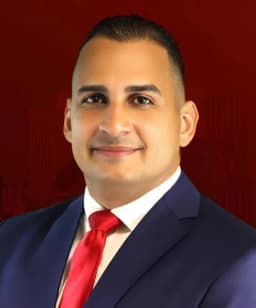
William Vasquez
Founder & CEO, Vasquez Law Firm, PLLC
William Vasquez is the founder and CEO of Vasquez Law Firm, PLLC, a results-driven firm specializing in immigration, criminal defense, personal injury, and workers' compensation. A U.S. Air Force veteran and recipient of the Joint Service Achievement Medal, William is dedicated to fiercely fighting for his clients' rights.
Related Legal Services
Need legal help? Learn more about get immigration legal help today, or contact us for a free evaluation.
You can also visit North Carolina immigration lawyers for more information.