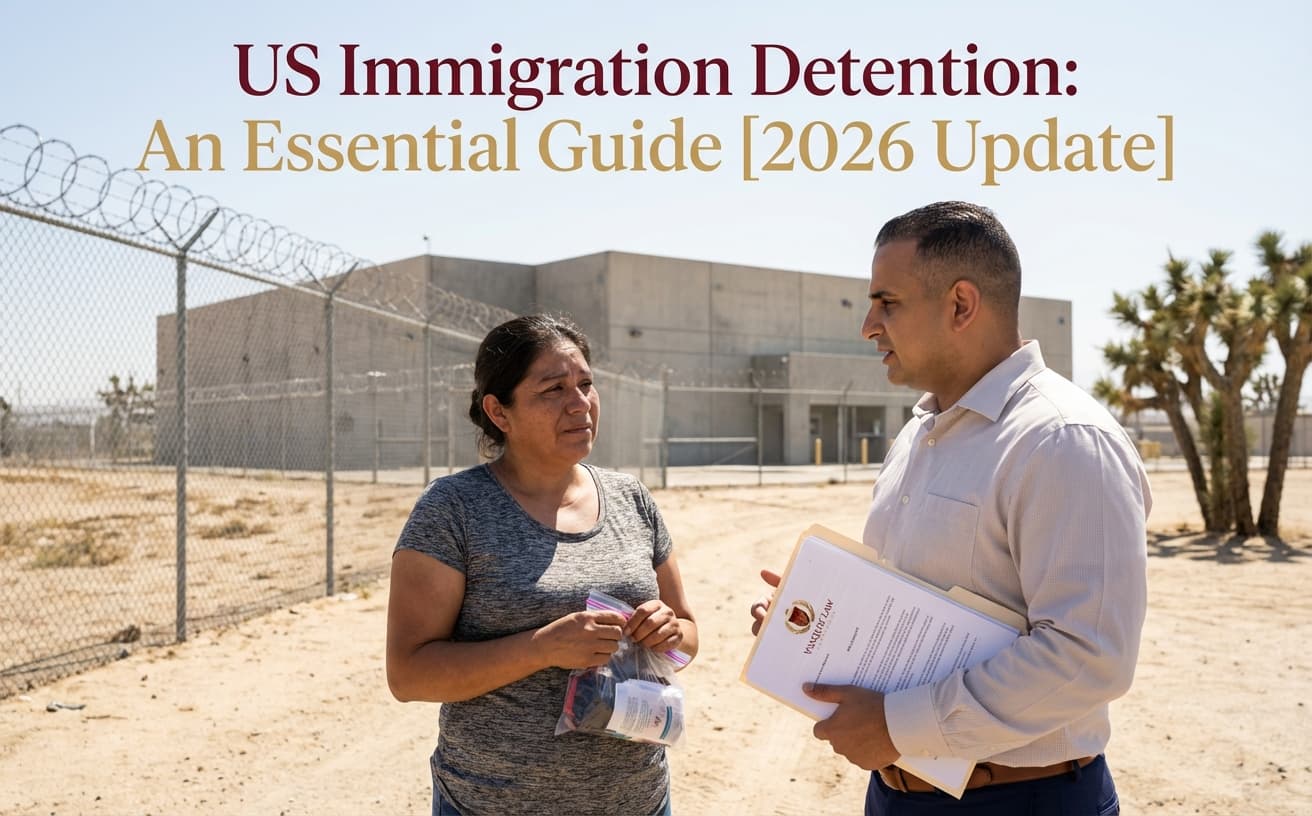
What You Need to Know About Judicial Orders and Court Rulings in 2026
Understand judicial orders and their impact on immigration cases in 2026. Get expert insights into court rulings and enforcement. Contact Vasquez Law for help.
Published on February 23, 2026

Have questions? Talk to an attorney - free evaluation.
Call 1-844-967-3536Worried how the latest immigration news affects you?
Get a free, confidential case review with an immigration attorney - know exactly where you stand.
What You Need to Know About Judicial Orders and Court Rulings in 2026
Navigating the complexities of the U.S. legal system can be daunting, especially when your immigration status is at stake. Understanding judicial orders is crucial for anyone involved in a court proceeding, particularly in immigration law. These legally binding directives from a court can significantly impact your case, dictating everything from procedural steps to final decisions on deportation or the granting of status. As of 2026, staying informed about these rulings and their implications is more important than ever. This guide provides a comprehensive overview of judicial orders, their types, enforcement, and how they specifically apply to immigration matters in North Carolina, Florida, and across the nation.
Need help with your case? Our experienced attorneys are ready to fight for you. Se Habla Español.
Schedule Your Free Consultation
Or call us now: 1-844-967-3536
Quick Answer
Judicial orders are formal directives issued by a court that legally bind the parties involved in a case. In immigration, these orders can range from procedural requirements to final decisions on asylum, deportation, or visa approvals. They are critical to the legal process, ensuring due process and the enforcement of legal judgments in 2026.
- They are legally binding and enforceable by law.
- Can be temporary (interlocutory) or final.
- Crucial in immigration proceedings, affecting status and deportation.
- Enforced by various government agencies, including ICE.
- Ignoring them can lead to severe legal consequences.
Understanding Judicial Orders in Immigration Law
Judicial orders are pronouncements from a court or judge that compel a party to do something, refrain from doing something, or declare the rights of parties involved in a legal dispute. In the context of immigration law, these orders originate from various courts, including federal district courts, circuit courts of appeals, and the Supreme Court, as well as immigration courts under the Executive Office for Immigration Review (EOIR).
These orders are fundamental to the rule of law, ensuring that legal processes are followed and that decisions are made fairly and consistently. For immigrants, understanding the nature and implications of a judicial order can be the difference between remaining in the U.S. or facing deportation. They are not merely suggestions; they are commands that carry the full weight of the law, and non-compliance can lead to serious penalties, including fines, contempt of court charges, or even criminal prosecution.
The scope of judicial orders in immigration is vast. They can address issues such as bond determinations for detained individuals, stays of removal, grants of asylum, or directives for government agencies like USCIS to reconsider a denied application. Each order is tailored to the specific circumstances of a case and is designed to resolve a particular legal question or enforce a specific action. For example, a federal court might issue an order instructing the Department of Homeland Security (DHS) to release an immigrant from detention if their detention is found to be unlawful.
The legal framework for these orders is rooted in federal statutes like the Immigration and Nationality Act (INA) and relevant regulations, such as those found in the Code of Federal Regulations (CFR). For instance, 8 U.S.C. § 1252 outlines judicial review of orders of removal, demonstrating the judiciary's role in overseeing immigration enforcement. Understanding the specific type of judicial order you are facing and its legal basis is the first step toward effectively responding to it.
The team at Vasquez Law Firm has extensive experience interpreting and responding to various judicial orders in immigration cases. We understand the nuances of these legal documents and can help you navigate their complexities to protect your rights and pursue the best possible outcome. Whether you are in North Carolina or Florida, our firm is equipped to provide the dedicated legal support you need.
Key Types of Judicial Orders Affecting Immigrants
Judicial orders come in many forms, each serving a distinct purpose within the legal system. For immigrants, recognizing the specific type of order they receive is crucial for understanding their rights and obligations. Some orders are temporary, designed to maintain the status quo while a case proceeds, while others are final and resolve the dispute. Knowing the difference can significantly impact how you proceed with your case and what legal strategies you might employ.
One common type is an Order of Removal, issued by an immigration judge, which directs the deportation of a non-citizen. This is often the culmination of a lengthy removal proceeding. Conversely, a Stay of Removal is a temporary judicial order that prevents or delays deportation, often granted while an appeal is pending or a new application for relief is considered. These stays are critical for individuals facing imminent deportation, providing a temporary reprieve and an opportunity to pursue further legal remedies.
Another vital category includes orders related to detention. A Bond Order sets the amount an immigrant must pay to be released from immigration detention, while a Writ of Habeas Corpus, issued by a federal court, challenges the legality of an individual's detention. These orders are powerful tools for individuals seeking release from custody, and successfully obtaining one requires a strong legal argument demonstrating unlawful detention.
Furthermore, federal courts can issue Injunctions, which are orders compelling or prohibiting specific actions. For example, a federal court might issue a preliminary injunction preventing a government agency from implementing a new immigration policy if it is challenged as unlawful. These orders can have broad impacts, affecting not just individual cases but potentially thousands of immigrants nationwide. Understanding how these judicial orders function is paramount.
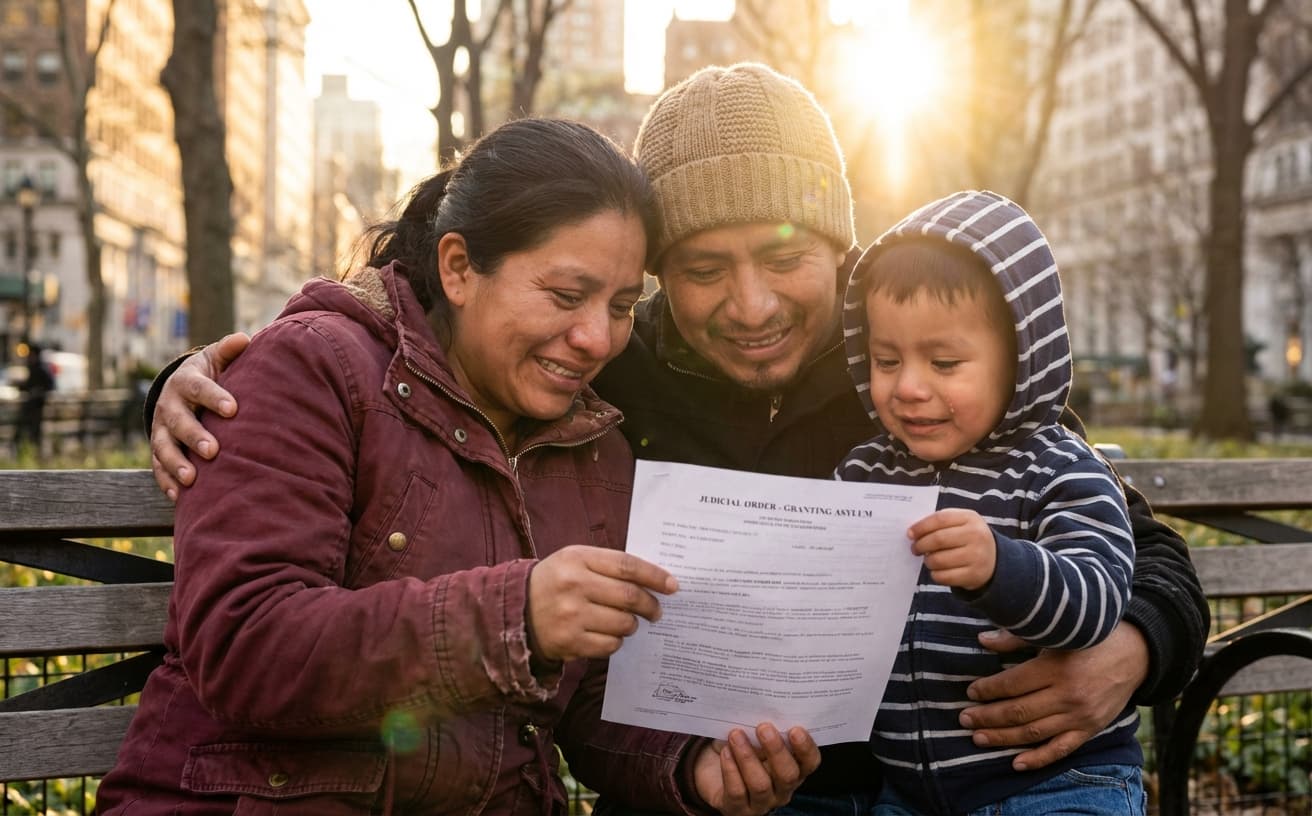
Finally, there are Orders Granting Relief, such as an order granting asylum, adjustment of status, or cancellation of removal. These are favorable judicial orders that provide a pathway to legal status or protection from deportation. They represent a successful outcome in an immigration case and are often the result of complex legal arguments and evidence presentation. Each of these judicial orders carries significant weight and requires careful attention and often, the guidance of an experienced attorney.
Enforcement and Compliance of Court Rulings
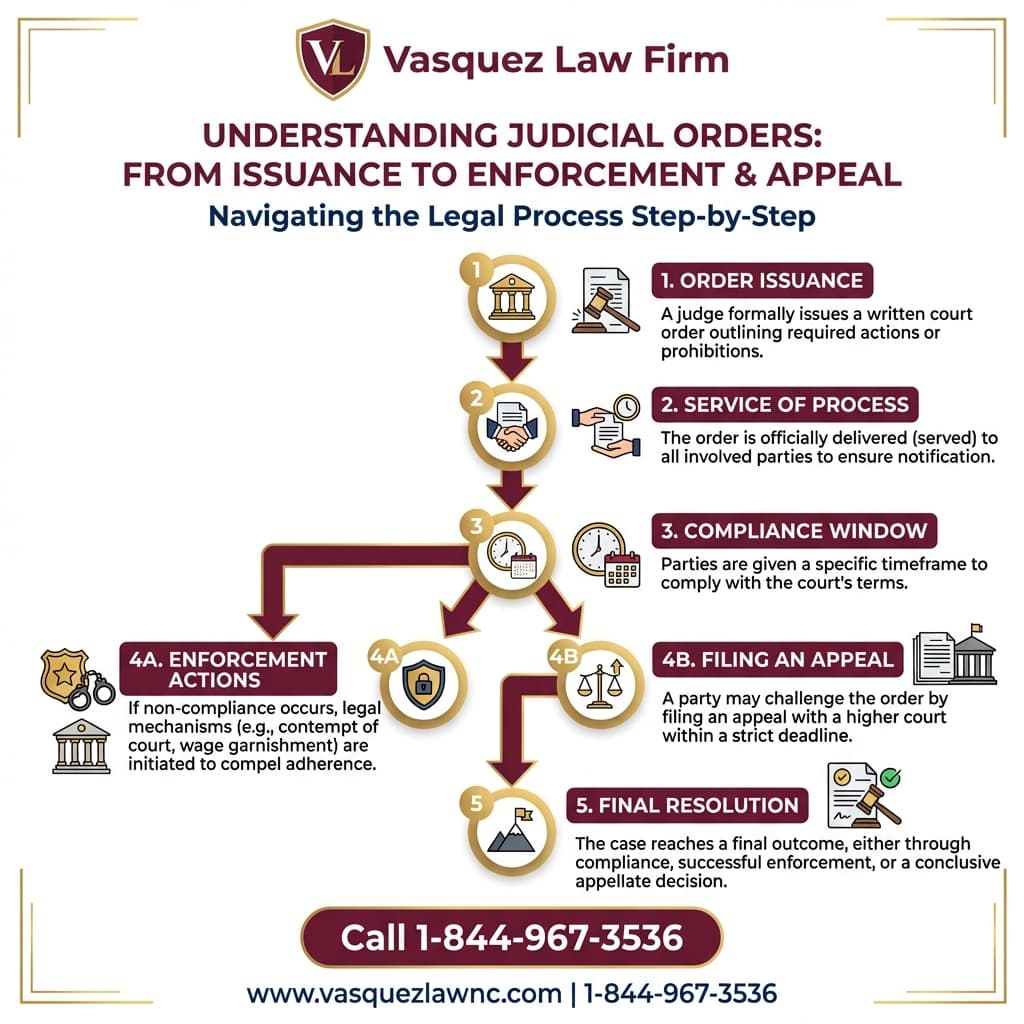
The effectiveness of judicial orders hinges on their enforcement. Once a court issues an order, it is legally binding, and all parties involved are expected to comply. In immigration cases, enforcement can involve various government agencies, including U.S. Immigration and Customs Enforcement (ICE), U.S. Citizenship and Immigration Services (USCIS), and Customs and Border Protection (CBP). Non-compliance, whether by an individual or a government agency, can lead to severe legal repercussions.
For individuals, failing to comply with a judicial order, such as an order to appear in court or an order of removal, can result in an arrest, detention, or the issuance of a warrant. It can also negatively impact future immigration applications, potentially leading to findings of inadmissibility or deportability. For example, if an individual fails to report for deportation as ordered, they may become a fugitive and face more stringent enforcement actions.
When government agencies fail to comply with judicial orders, the courts have mechanisms to enforce their directives. This can include holding an agency or its officials in contempt of court, ordering sanctions, or issuing further orders to compel compliance. A notable example involved a federal judge in 2023 who grew angry over the Trump administration's repeated violations of court orders regarding immigration policies, as reported by The New York Times. This highlights the judiciary's role in ensuring executive branch accountability.
For individuals seeking to enforce a judicial order against a government agency, such as an order to process an application or release a detainee, legal action may be necessary. This often involves filing motions with the court that issued the order or, in some cases, initiating a new lawsuit to compel compliance. Navigating these enforcement actions requires a deep understanding of civil procedure and administrative law, which is where the expertise of an immigration attorney becomes invaluable.
Compliance is not just about avoiding penalties; it's about upholding the integrity of the legal system. Both immigrants and government agencies have a responsibility to respect judicial orders. If you are unsure about your obligations under a specific order or believe an agency is not complying with a court's directive, seeking legal counsel immediately is essential. Vasquez Law Firm can provide guidance on these complex enforcement issues, whether you are in Orlando, North Carolina, or anywhere else in the U.S.
Challenges and Appeals of Judicial Orders
Receiving an unfavorable judicial order can be disheartening, but it is often not the final word. The U.S. legal system provides mechanisms for challenging and appealing judicial orders, particularly those issued in immigration cases. Understanding these avenues for review is crucial for anyone seeking to overturn an adverse decision or correct a legal error. The appeals process can be lengthy and complex, requiring precise adherence to procedural rules and deadlines.
In immigration court, a decision by an immigration judge can typically be appealed to the Board of Immigration Appeals (BIA), which is the highest administrative body for interpreting and applying immigration laws. The BIA reviews the immigration judge's decision for errors of law or fact. If the BIA upholds the immigration judge's decision, further appeal may be available to a federal Circuit Court of Appeals. For certain cases, the U.S. Supreme Court may even review a Circuit Court's decision, though this is rare.
Appealing a judicial order involves filing a notice of appeal within strict deadlines, submitting legal briefs outlining the errors in the previous decision, and sometimes presenting oral arguments. The grounds for appeal can include legal errors, such as misinterpretations of statutes or regulations, or factual errors, where the judge's findings were not supported by the evidence presented. It is important to note that an appeal is not a new trial; it is a review of the existing record to determine if legal or factual mistakes were made.
Beyond formal appeals, other methods exist to challenge judicial orders. A Motion to Reopen asks the court to reconsider a decision based on new evidence or changed circumstances that were not available at the time of the original hearing. A Motion to Reconsider asks the court to re-examine its decision based on an alleged error of law or fact. These motions have strict requirements and deadlines, making legal assistance critical for their successful filing.
Navigating the appeals process for judicial orders requires a sophisticated understanding of immigration law and appellate procedure. An experienced attorney can identify the strongest grounds for appeal, prepare compelling legal arguments, and ensure all deadlines are met. Vasquez Law Firm is dedicated to helping clients challenge unfavorable judicial orders, providing expert representation throughout the appeals process. Learn more about protecting yourself from deportation by reviewing our guide on deportation protection orders.
Immigration Judicial Orders: NC, FL, and Nationwide Insights
While immigration law is primarily federal, the practical implications and enforcement of judicial orders can vary depending on the specific jurisdiction and the courts involved. Understanding these nuances is vital for individuals in North Carolina, Florida, and across the nation, as local court procedures and regional enforcement priorities can influence case outcomes. The federal judicial branch definition ensures a consistent application of law, but local factors are still important.
Nationwide Concepts and Federal Authority
Immigration courts operate under the Executive Office for Immigration Review (EOIR), a component of the U.S. Department of Justice. Decisions from these courts apply nationwide, and their judicial orders are enforced by federal agencies like ICE. Similarly, federal district courts and circuit courts of appeals issue judicial orders that carry federal authority. For instance, a ruling from the Ninth Circuit Court of Appeals might set a precedent for immigration cases across several western states, while a Supreme Court decision impacts the entire country. The uniform application of federal immigration law, as overseen by the judicial branch, is a cornerstone of the U.S. immigration system. For detailed information, the Executive Office for Immigration Review provides public access to court information and decisions.
Judicial Orders in North Carolina Immigration
In North Carolina, immigration cases are heard in federal immigration courts located in cities like Charlotte. The judicial orders issued by these courts, as well as federal district courts in districts such as the Eastern, Middle, and Western Districts of North Carolina, directly impact immigrants residing in the state. Local ICE field offices in North Carolina are responsible for enforcing removal orders and other immigration-related judicial directives. Immigrants in North Carolina often face unique challenges, and understanding how federal judicial orders are interpreted and applied locally is key to a successful defense. Our firm regularly represents clients in North Carolina immigration courts, providing robust advocacy.
Judicial Orders in Florida Immigration
Florida, with its large immigrant population, has several immigration courts, including in Orlando, Miami, and Bradenton. Federal judicial orders issued by these courts, as well as the U.S. District Courts for the Northern, Middle, and Southern Districts of Florida, govern immigration proceedings within the state. ICE field offices in Florida are active in enforcing judicial orders, particularly in areas with high immigrant populations like Orlando. The Eleventh Circuit Court of Appeals, which covers Florida, Alabama, and Georgia, also issues significant judicial orders that shape immigration law in the region. Our attorneys in Orlando and across Florida are well-versed in the specific local court procedures and enforcement practices that affect judicial orders in the state, offering critical assistance to those facing immigration challenges.
When to Call a Lawyer Now About Judicial Orders
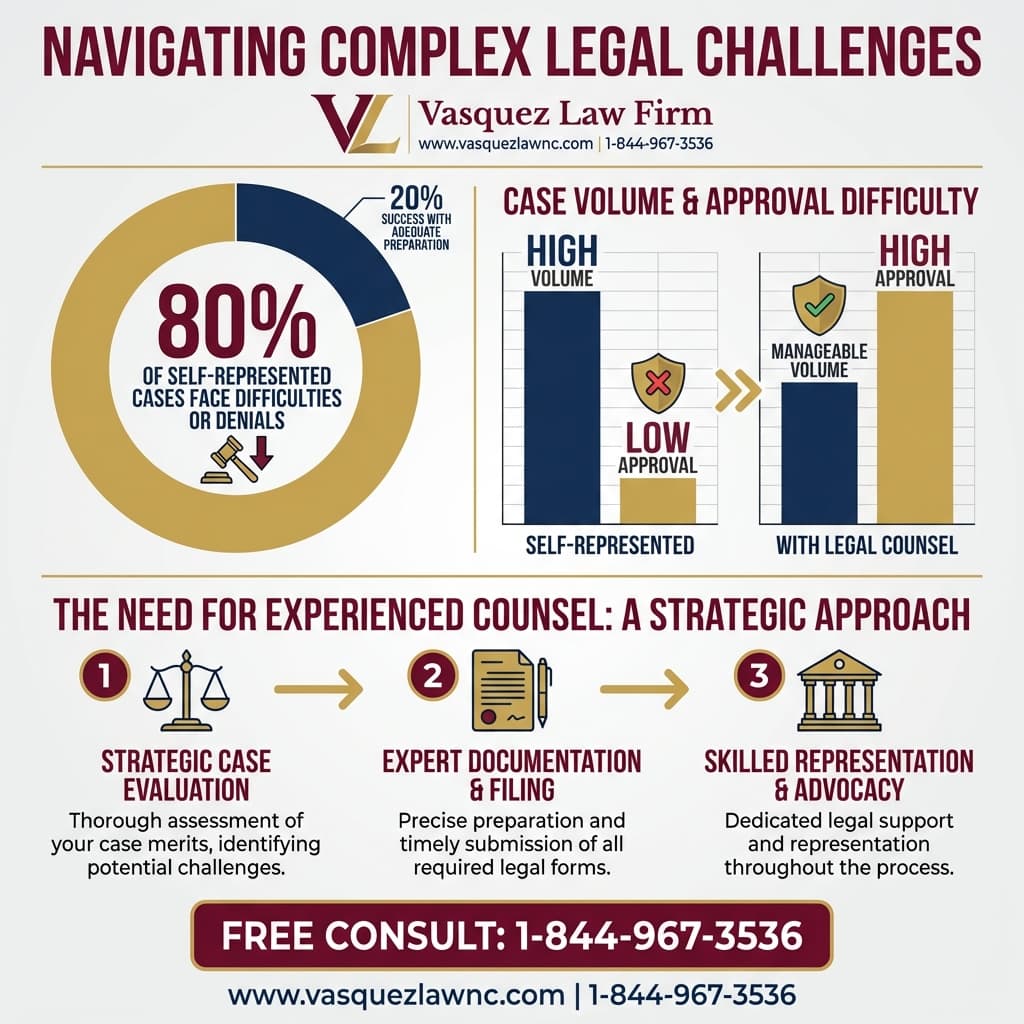
The moment you receive a judicial order or believe one might be issued in your immigration case, it is imperative to seek legal counsel. Delaying action can lead to missed deadlines, loss of rights, or even deportation. An experienced immigration attorney can provide immediate guidance, helping you understand the order's implications and strategize your next steps. Don't face the complexities of the legal system alone.
- You receive an Order to Show Cause or Notice to Appear (NTA): These documents initiate removal proceedings and require immediate legal attention.
- You are served with an Order of Removal: This order requires you to depart the U.S.; a lawyer can explore options for a stay or appeal.
- You are detained by ICE: A judicial order might be necessary to secure your release on bond.
- You believe a government agency is not complying with a court order: An attorney can help enforce the order through legal action.
- You need to file an appeal or motion to reopen/reconsider: These have strict deadlines and require precise legal arguments.
- Your visa or green card application has been denied, and you want to challenge the decision: A lawyer can advise on judicial review options.
- You are facing an emergency situation, such as an imminent deportation: Immediate legal intervention may be needed to seek a stay.
- You have questions about the meaning or impact of any judicial order: It's always best to clarify with a legal professional.
If you are facing any of these situations, contact Vasquez Law Firm immediately. Our dedicated legal team is ready to provide the aggressive and compassionate representation you deserve. We fight for our clients, ensuring their rights are protected every step of the way.
About Vasquez Law Firm
At Vasquez Law Firm, we combine compassion with aggressive representation. Our motto "Yo Peleo" (I Fight) reflects our commitment to standing up for your rights and ensuring your voice is heard in complex legal battles. We understand the profound impact that immigration matters have on individuals and families, and we are dedicated to providing the highest level of legal advocacy.
- Bilingual Support: Se Habla Español - our team is fully bilingual, ensuring clear communication and understanding for all our clients.
- Service Areas: We proudly serve clients across North Carolina and Florida, offering comprehensive immigration services nationwide.
- Experience: With over 15 years of dedicated legal experience, our firm has a proven track record of helping clients navigate complex legal matters and achieve favorable outcomes.
- Results: We have successfully handled thousands of cases across multiple practice areas, demonstrating our commitment to achieving the best possible results for those we represent.
Attorney Trust and Experience
Attorney Vasquez holds a Juris Doctor degree and is admitted to practice in both the North Carolina State Bar and Florida Bar. With over 15 years of dedicated legal experience, he has built a reputation for providing personalized attention and achieving favorable outcomes for his clients. He is a veteran-founded leader who brings a unique perspective and unwavering commitment to every case, fighting tirelessly for justice.
Don't face your legal challenges alone. Our team is here to help you every step of the way.
Call today: 1-844-967-3536 | Se Habla Español
Frequently Asked Questions
What does "judicial order" mean in immigration?
In immigration, a judicial order is a binding directive from an immigration judge or federal court that dictates a specific action or outcome in an immigration case. This could include orders for removal, grants of asylum, bond determinations, or mandates for government agencies. These orders are legally enforceable and failing to comply can have severe consequences for an individual's immigration status and future.
How are judicial orders enforced in immigration cases?
Judicial orders in immigration cases are primarily enforced by federal agencies such as U.S. Immigration and Customs Enforcement (ICE) and U.S. Citizenship and Immigration Services (USCIS). For example, ICE is responsible for carrying out removal orders, while USCIS must comply with orders to process applications or reconsider decisions. Courts also have mechanisms, like contempt charges, to ensure compliance from all parties, including government entities.
Can a judicial order be appealed or challenged?
Yes, most judicial orders in immigration cases can be appealed or challenged. Decisions from an immigration judge can be appealed to the Board of Immigration Appeals (BIA), and further to a federal Circuit Court of Appeals. Additionally, motions to reopen or reconsider can be filed with the issuing court to challenge decisions based on new evidence or legal errors. Strict deadlines apply to all appeals and motions.
What is the difference between an order of removal and a stay of removal?
An order of removal is a judicial directive requiring a non-citizen to depart the United States. In contrast, a stay of removal is a temporary judicial order that legally prevents or postpones an individual's deportation. Stays are often granted while an appeal is pending, during the consideration of a new application for relief, or due to other humanitarian concerns, providing crucial time.
How long does it take for a judicial order to be issued?
The time it takes for a judicial order to be issued varies significantly depending on the complexity of the case, the court's caseload, and the type of order. Simple procedural orders might be issued quickly, while final orders in complex removal proceedings or federal appeals can take months or even years. Immigration cases often involve multiple hearings and extensive legal processes before a final order is rendered.
What happens if I don't comply with a judicial order?
Non-compliance with a judicial order can lead to severe consequences. For immigrants, this can include an arrest, detention, fines, a finding of contempt of court, or the issuance of a warrant. Failing to appear for court as ordered can lead to an in absentia removal order. Non-compliance can also negatively impact future immigration applications and severely harm your legal standing, making legal assistance crucial.
Do judicial orders vary by state in immigration cases?
While U.S. immigration law is federal, and judicial orders from federal courts apply nationwide, their practical interpretation and enforcement can have regional nuances. Immigration courts are federal, but local federal district and circuit courts may issue rulings that affect immigrants within their specific jurisdiction, such as North Carolina or Florida. Local ICE field offices also influence enforcement priorities, creating some variation in application.
What role does an attorney play with judicial orders?
An attorney plays a critical role in navigating judicial orders. They help interpret the order's meaning and implications, advise on compliance, prepare and file appeals or motions to challenge unfavorable orders, and represent clients in court. They also help enforce orders against government agencies that may be non-compliant. Their expertise is essential for protecting rights and achieving the best possible legal outcomes.
Can judicial orders grant legal status?
Yes, some judicial orders can grant legal status. For example, an immigration judge can issue an order granting asylum, cancellation of removal, or adjustment of status, which provides a path to lawful permanent residency. Federal courts can also issue orders that lead to the granting of status, such as compelling USCIS to approve a long-delayed application. These are usually the result of a favorable ruling in a complex case.
Where can I find information about federal judicial orders?
Information about federal judicial orders can often be found through the Executive Office for Immigration Review (EOIR) for immigration court decisions, or through federal court websites for district and appellate court rulings. Public access to court records is generally available, though specific case details may be restricted. An attorney can help you access and understand the relevant judicial orders pertaining to your case.
Sources and References
- U.S. Citizenship and Immigration Services (USCIS)
- Executive Office for Immigration Review (EOIR)
- 8 U.S. Code § 1252 - Judicial review of orders of removal
Ready to take the next step? Contact Vasquez Law Firm today for a free, confidential consultation. We're committed to fighting for your rights and achieving the best possible outcome for your case.
Start Your Free Consultation Now
Call us: 1-844-967-3536
Se Habla Español - Estamos aquí para ayudarle.

William Vasquez
Founder & CEO, Vasquez Law Firm, PLLC
William Vasquez is the founder and CEO of Vasquez Law Firm, PLLC, a results-driven firm specializing in immigration, criminal defense, personal injury, and workers' compensation. A U.S. Air Force veteran and recipient of the Joint Service Achievement Medal, William is dedicated to fiercely fighting for his clients' rights.
Related Legal Services
Need legal help? Learn more about our immigration law practice, or contact us for a free evaluation.
You can also visit our NC immigration team for more information.