Who Pays Your Workers Comp Claim for a Weather-Related Injury
Understand weather-related workplace injuries in NC and FL for 2026. Learn about your rights and how to file a workers' comp claim. Contact Vasquez Law for a free consultation.
Published on February 24, 2026
Hurt on the job?
Free review of your workers' comp claim.
Free & confidential · Se habla espanol · 24/7
Have questions? Talk to an attorney - free evaluation.
Call 1-844-967-3536Hurt on the Job? Claim What You Are Owed
A review of your workers' comp claim - we handle the fight.
Who Pays Your Workers Comp Claim for a Weather-Related Injury
Weather-related workplace injuries can strike unexpectedly, impacting employees across North Carolina and Florida. From sweltering heat to icy conditions, these incidents can lead to serious harm and significant financial strain. Understanding your rights and the workers' compensation process for weather-related workplace injuries is crucial. As of 2026, navigating these claims requires specific knowledge of state laws and federal guidelines, ensuring you receive the compensation you deserve. Vasquez Law Firm is dedicated to helping injured workers understand their options and fight for their rights.
Need help with your case? Our experienced attorneys are ready to fight for you. Se Habla Español.
Schedule Your Free Case Evaluation
Or call us now: 1-844-967-3536
Quick Answer
Weather-related workplace injuries are compensable under workers' compensation if they arise out of and in the course of employment. This includes injuries from extreme heat, cold, storms, or slippery conditions. Eligibility often depends on whether the weather hazard was a greater risk for the employee than for the general public, or if the employer's specific work conditions increased the risk. It is essential to report the injury immediately and seek legal counsel.
- Report injury to employer promptly.
- Seek immediate medical attention.
- Document all details, including weather conditions.
- Consult a workers' compensation attorney.
- Understand specific state laws for North Carolina and Florida.
Understanding Weather-Related Workplace Injuries in 2026
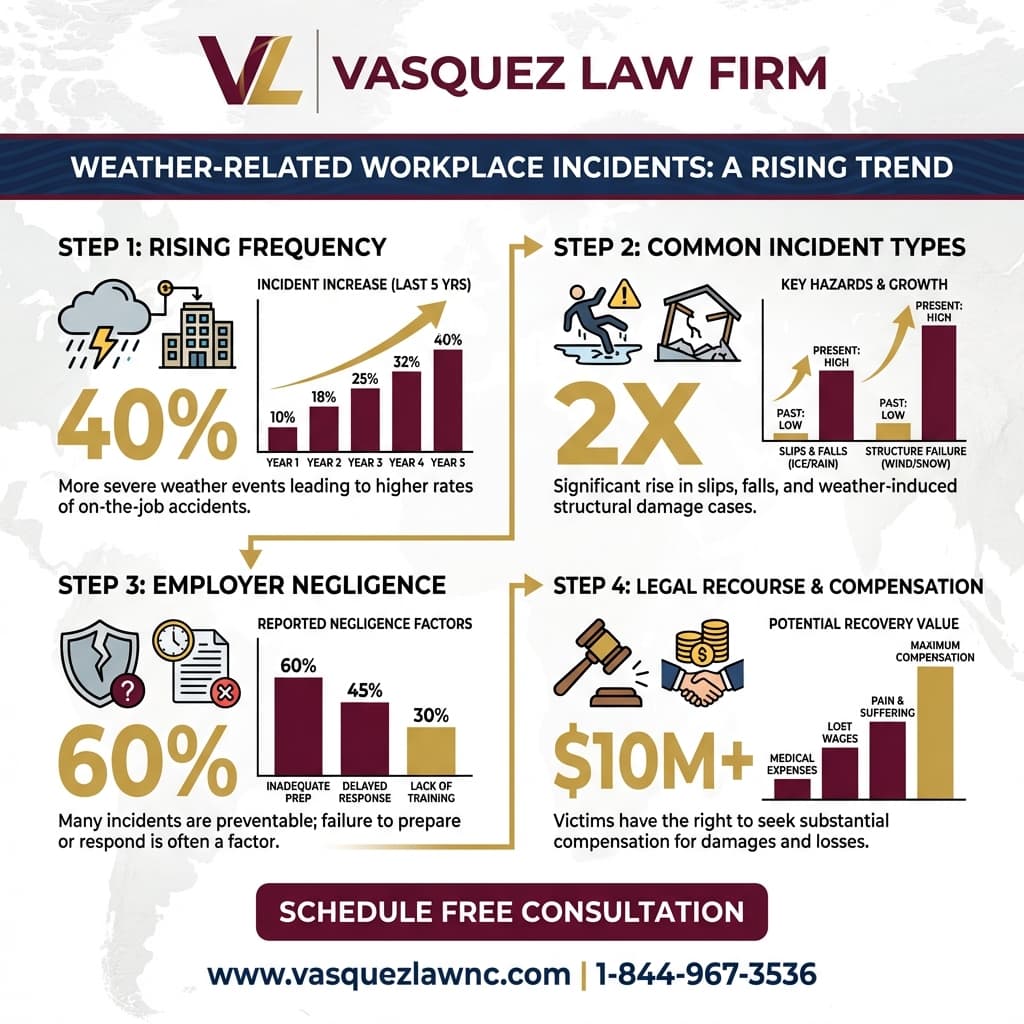
Weather-related workplace injuries encompass a broad range of incidents caused or exacerbated by natural environmental conditions. These can include injuries resulting from extreme temperatures, such as heatstroke or frostbite, or accidents due to severe weather events like hurricanes, tornadoes, or blizzards. In 2026, employers are expected to take reasonable precautions to protect their workers from foreseeable weather hazards, and employees have rights if they are injured despite these measures.
Workers' compensation systems in North Carolina and Florida are designed to provide benefits to employees who suffer injuries or illnesses arising out of and in the course of their employment. The challenge with weather-related incidents often lies in proving the direct link between the weather, the job, and the injury. For instance, a construction worker suffering from heat exhaustion on a hot day might have a clearer claim than an office worker who slips on ice in the parking lot during their commute.
It is important to differentiate between general public risks and specific occupational risks. If an employee is exposed to a weather hazard that is no greater than what the general public faces, a claim might be denied. However, if the nature of the job requires the employee to be outdoors for extended periods, or if the employer failed to provide adequate safety measures against the weather, the claim's likelihood of success increases significantly. For example, OSHA provides guidelines on heat-related illness prevention in the workplace, emphasizing the employer's responsibility.
The legal landscape surrounding these types of injuries is complex, varying by state and specific circumstances. Employers must consider factors like the nature of the work, the duration of exposure, and the availability of protective measures. Injured workers in Raleigh and across North Carolina and Florida should understand that their specific situation will dictate the strength of their workers' compensation claim for weather-related workplace injuries.
Common Types of Weather-Related Workplace Incidents
Weather conditions can contribute to a variety of workplace injuries, making it essential for both employers and employees to be aware of the risks. Understanding these common types of weather-related workplace injuries can help in prevention and in properly documenting an incident if it occurs. Each type presents unique challenges for workers' compensation claims.
Heat-Related Injuries in the Workplace
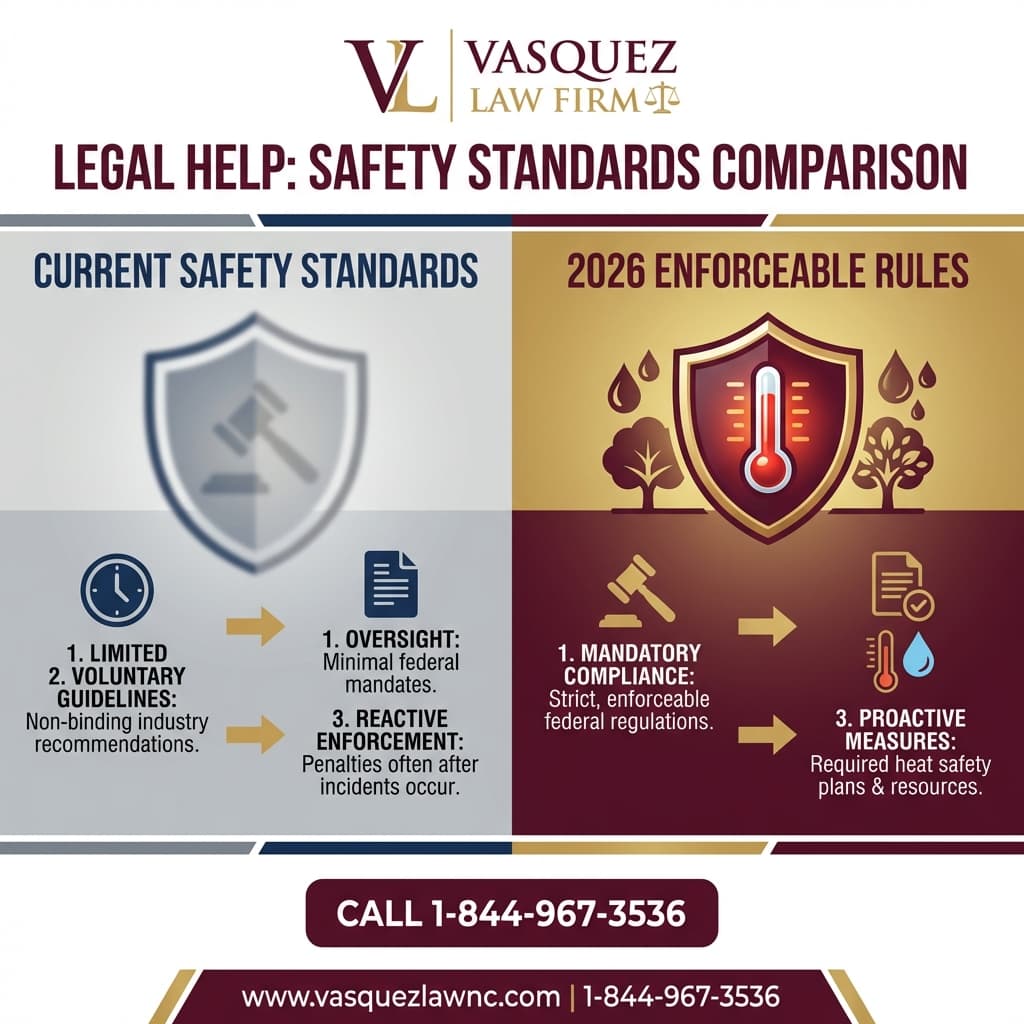
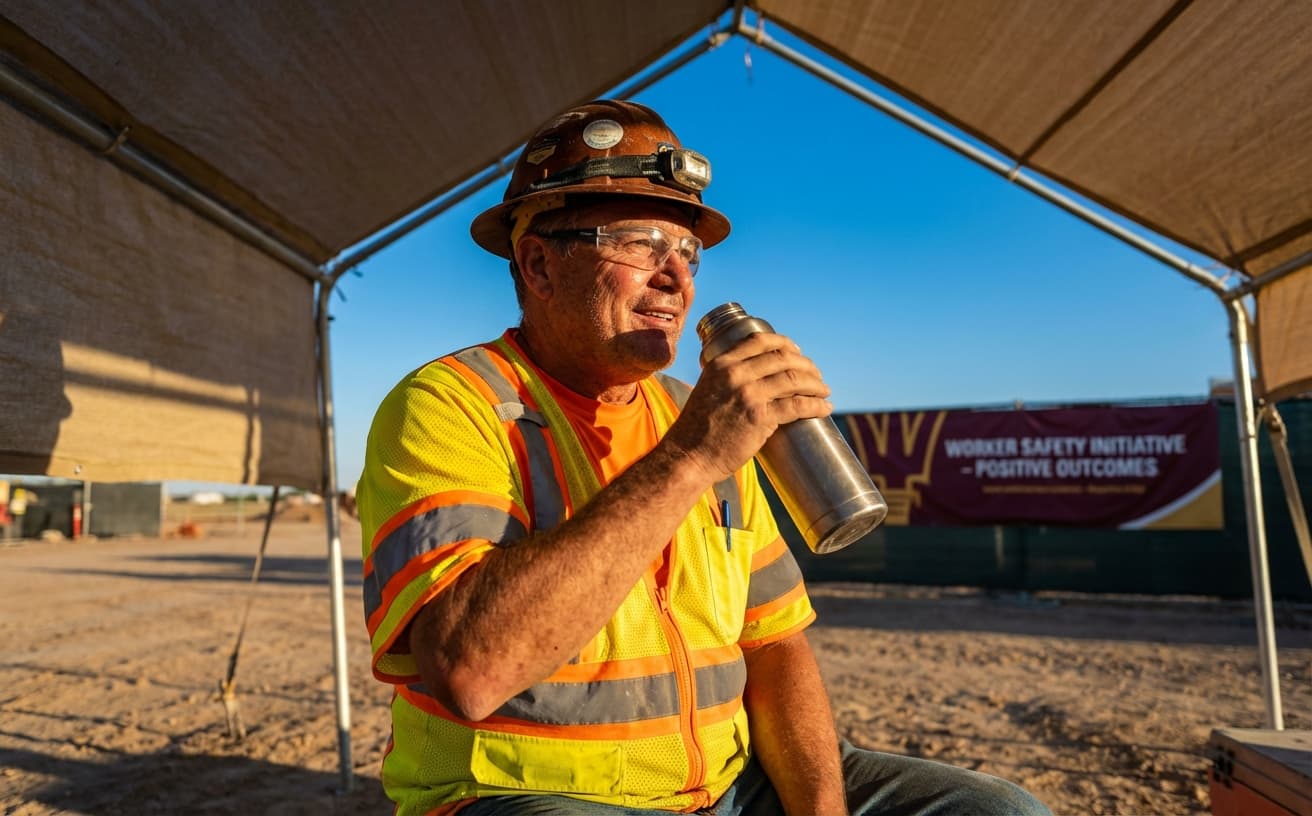
With rising global temperatures, heat-related injuries are an increasing concern. These include heatstroke, heat exhaustion, heat cramps, and heat rash. Workers in outdoor professions, such as construction, agriculture, and landscaping, are particularly vulnerable. Employers are often required to provide water, shade, and rest breaks to mitigate these risks. Failure to do so can strengthen a workers' compensation claim if an employee suffers a heat-related illness.
Cold Weather Injuries and Frostbite
Conversely, extreme cold can lead to injuries like frostbite, hypothermia, and trench foot. Workers exposed to freezing temperatures, such as those in utility services, transportation, or cold storage facilities, are at risk. Adequate protective clothing, warm shelters, and regular breaks are crucial. Proving a direct link between cold exposure at work and the injury is vital for a successful claim.
Slips, Trips, and Falls Due to Inclement Weather
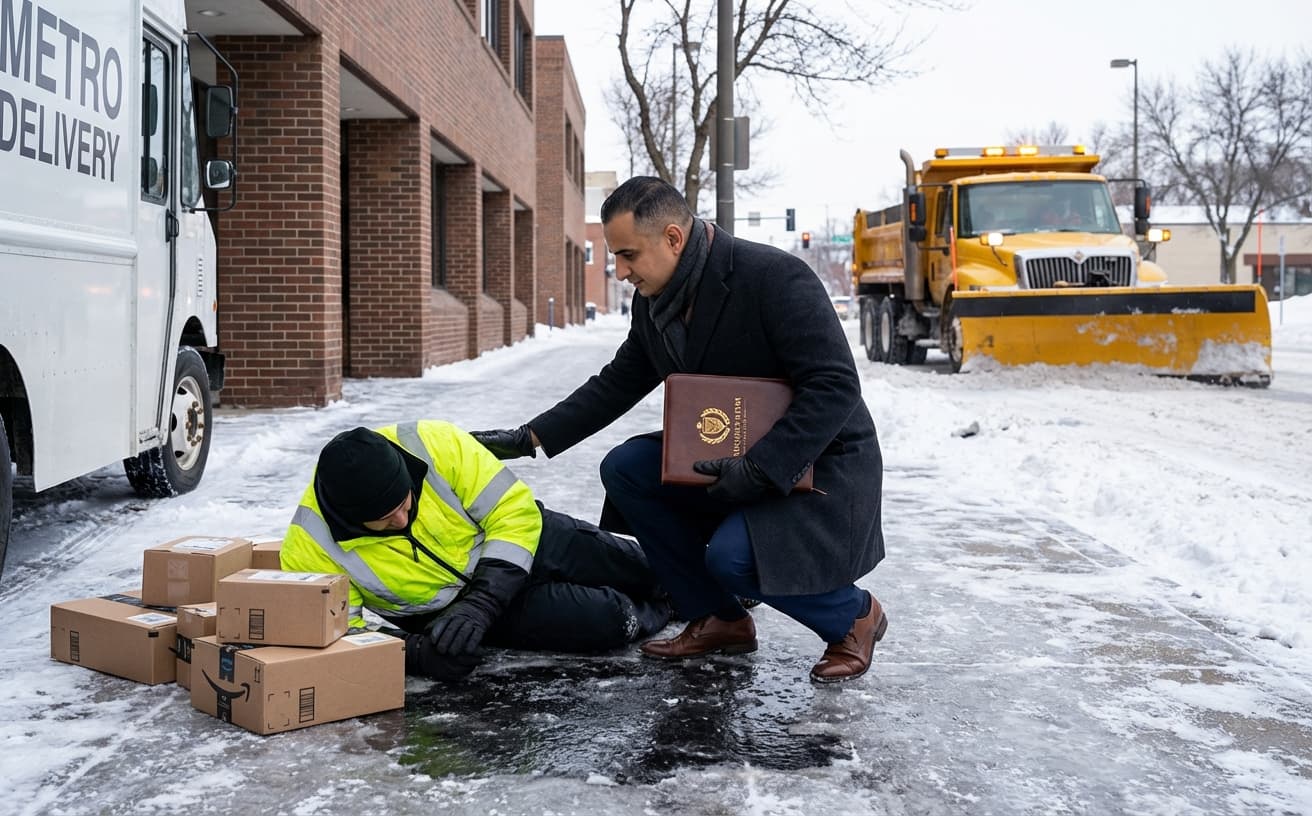
Rain, snow, and ice significantly increase the risk of slips, trips, and falls. These accidents can result in sprains, fractures, head injuries, or even spinal damage. While a general slip on ice might be difficult to claim, if the employer failed to clear pathways, provide traction, or if the work environment itself became hazardous due to weather, a claim for weather-related workplace injuries has a stronger basis. This is a common scenario in North Carolina winters.
Storm-Related Accidents
High winds, heavy rains, lightning, and other severe storm conditions can cause direct injuries from falling debris, electrocution, or structural collapse. Employees required to work during or immediately after severe weather, such as emergency responders or utility workers, face elevated risks. The critical factor is whether the employee was performing work-related duties at the time of the storm-related accident. North Carolina and Florida, prone to hurricanes, see these claims regularly.
Don't face your legal challenges alone. Our team is here to help you every step of the way.
Call today: 1-844-967-3536 | Se Habla Español
Filing a Workers' Compensation Claim for Weather Injuries
Navigating the workers' compensation system after a weather-related workplace injury can be challenging. The process involves several critical steps that must be followed precisely to ensure your claim has the best chance of approval. Failure to adhere to these steps can result in delays or even denial of benefits. This guide outlines the general process, but remember that specific rules apply in North Carolina and Florida.
Step 1: Report the Injury Immediately
This is arguably the most crucial step. You must notify your employer of your weather-related workplace injury as soon as possible. In North Carolina, you typically have 30 days to report, but immediate notification is always best. Florida also requires prompt notification, often within 30 days. Delaying notification can jeopardize your claim, as it can be argued that the injury was not work-related or that your condition worsened due to lack of timely care. Always report in writing if possible, and keep a copy for your records.
Step 2: Seek Medical Attention
Even if your injury seems minor, seek medical evaluation promptly. This creates official documentation of your injury, its severity, and its potential link to the workplace incident. Be clear with medical professionals about how the weather conditions contributed to your injury. Follow all prescribed treatments and attend all appointments. Your employer or their insurance carrier may direct you to specific doctors or facilities, especially in states like North Carolina, where employer choice of physician is common after the initial visit. For more information, see our guide on employer choice in NC workers' compensation.
Step 3: Gather Evidence and Documentation
Collect as much evidence as you can. This includes photographs of the hazardous weather conditions, witness statements, medical records, and any internal incident reports. Document the exact weather conditions at the time of the injury, including temperature, precipitation, and wind speeds. Keep a detailed log of your symptoms, medical treatments, and any lost wages. This documentation is vital for substantiating your weather-related workplace injuries claim.
Step 4: Consult a Workers' Compensation Attorney
Given the complexities of proving weather-related workplace injuries, consulting an attorney is highly recommended. An attorney can help you understand your rights, navigate the filing process, gather necessary evidence, and negotiate with insurance companies. They can also represent you in hearings or appeals if your claim is denied. Vasquez Law Firm has extensive experience with these types of cases in North Carolina and Florida.
NC and FL Laws for Weather-Related Injuries
Workers' compensation laws vary significantly by state, and understanding these differences is crucial when dealing with weather-related workplace injuries. Both North Carolina and Florida operate under a no-fault system, meaning an injured worker can receive benefits regardless of who was at fault, as long as the injury arose out of and in the course of employment. However, the specifics of what constitutes a compensable injury, particularly those related to weather, can differ.
North Carolina Specifics
In North Carolina, for a weather-related injury to be compensable, it generally must be shown that the employment exposed the employee to a greater hazard from the elements than that to which the general public was exposed. This is often referred to as the 'increased risk' test. For example, a roofer who falls due to icy conditions on a roof might meet this test, whereas an office worker slipping in a public parking lot might not. The North Carolina Industrial Commission oversees these claims. The NC Industrial Commission publishes rules and forms for workers' compensation claims, including specific guidelines for reporting and pursuing benefits.
Employers in North Carolina must provide a safe working environment. If an employer fails to take reasonable precautions against known weather hazards, such as not clearing snow or ice from entrances, or not providing adequate hydration for outdoor workers in extreme heat, a claim for weather-related workplace injuries is strengthened. It's important to note that injuries sustained during a regular commute are generally not covered, even if weather is a factor.
Florida Specifics
Florida's workers' compensation system also requires that the injury arise out of and in the course of employment. Similar to North Carolina, the 'increased risk' doctrine often applies to weather-related incidents. Florida Statutes Chapter 440 governs workers' compensation, outlining the rights and responsibilities of both employees and employers. The statute emphasizes that an injury must be causally connected to the employment. For instance, if an employee is required to work during a hurricane and is injured, the claim is more likely to be covered than if they were injured at home during the same storm.
Florida also has specific rules regarding employer-provided medical care and the process for disputing denied claims. For example, if your Florida workers' comp claim is denied, you have specific legal avenues to appeal. Given Florida's susceptibility to severe weather, particularly hurricanes and extreme heat, employers are expected to have robust safety protocols in place to protect workers from these environmental dangers. Claims involving weather-related workplace injuries often benefit from an experienced attorney who understands these nuances.
Common Mistakes to Avoid in Weather Injury Claims
When pursuing a workers' compensation claim for weather-related workplace injuries, certain missteps can significantly hinder your chances of receiving benefits. Avoiding these common mistakes is crucial for a successful outcome.
- Delaying Notification: Failing to report your injury to your employer immediately or within the statutory timeframe (e.g., 30 days in NC and FL) can lead to denial. Prompt notification is key.
- Not Seeking Medical Attention: Delaying medical treatment or not following doctor's orders can suggest your injury isn't serious or wasn't work-related. Always prioritize your health and document everything.
- Inadequate Documentation: Not gathering evidence like photos of the scene, weather reports, or witness statements weakens your claim. Comprehensive documentation is vital.
- Misrepresenting Facts: Any dishonesty about how the injury occurred, your symptoms, or your work activities can lead to immediate claim denial and potential legal repercussions.
- Discussing Your Case with Insurers Without Counsel: Insurance adjusters are not on your side. Providing recorded statements or signing documents without legal review can harm your case.
- Failing to Understand State Laws: North Carolina and Florida have distinct workers' compensation laws. Not knowing your rights or obligations can lead to missed deadlines or incorrect procedures.
- Returning to Work Too Soon: Going back to work before medically cleared, or performing tasks beyond your work restrictions, can indicate you're not as injured as claimed, impacting your benefits.
- Not Consulting an Attorney: Attempting to navigate a complex weather-related injury claim alone, especially if it's denied, is a significant mistake. Legal expertise can make a difference.
If you only remember one thing: Always report your injury immediately and seek medical attention, then contact an experienced workers' compensation attorney to guide you through the process.
When to Call a Lawyer Now for Weather-Related Workplace Injuries
Knowing when to seek legal assistance for weather-related workplace injuries can significantly impact the outcome of your claim. While some straightforward cases might proceed without an attorney, many situations warrant immediate legal counsel. If you find yourself in any of these scenarios, contacting an attorney like those at Vasquez Law Firm is highly advisable.
- Your Claim is Denied: This is a clear signal to seek legal help. A denial means the insurance company disputes your eligibility, and an attorney can help you appeal.
- The Insurance Company is Delaying: If adjusters are unresponsive, delaying payments, or prolonging the process, legal intervention can expedite matters.
- Your Employer Disputes the Injury: If your employer denies the injury happened at work or disputes its connection to weather conditions, an attorney can gather evidence to support your claim.
- You Have a Pre-Existing Condition: If your weather-related injury aggravated a pre-existing condition, the insurance company might try to deny coverage. An attorney can argue for compensation.
- You Have Severe or Permanent Injuries: Cases involving catastrophic injuries, long-term disability, or permanent impairment often involve higher stakes and require expert negotiation.
- You're Offered a Settlement: Never accept a settlement offer without an attorney reviewing it. You might be signing away future rights or accepting less than your case is worth.
- You Feel Pressured or Intimidated: If you feel your employer or the insurance company is pressuring you, threatening you, or making you uncomfortable, legal representation can protect your rights.
- You Don't Understand the Process: The workers' compensation system is complex. If you're overwhelmed or confused, an attorney can clarify your options and guide you.
- Medical Treatment is Disputed: If the insurance company refuses to authorize necessary medical treatment or second opinions, an attorney can advocate for your right to care.
For any of these situations regarding weather-related workplace injuries in North Carolina or Florida, don't hesitate. Contact Vasquez Law Firm for a free case evaluation to discuss your specific circumstances.
About Vasquez Law Firm
At Vasquez Law Firm, we combine compassion with aggressive representation. Our motto "Yo Peleo" (I Fight) reflects our commitment to standing up for your rights. We understand the physical, emotional, and financial toll that weather-related workplace injuries can take on individuals and their families. Our team, led by Attorney Vasquez, is dedicated to providing personalized legal services and fighting tirelessly for the compensation you deserve.
- Bilingual Support: Se Habla Español - our team is fully bilingual, ensuring clear communication and understanding throughout your legal journey.
- Service Areas: Workers compensation in North Carolina; immigration nationwide, including Florida
- Experience: With over 15 years of dedicated legal experience, Attorney Vasquez has a proven track record of successfully handling complex workers' compensation cases.
- Results: We are committed to achieving favorable outcomes for our clients, having secured thousands of successful cases across multiple practice areas.
Attorney Trust and Experience
Attorney Vasquez holds a Juris Doctor degree and is admitted to practice in both the North Carolina State Bar and Florida Bar. With over 15 years of dedicated legal experience, he has built a reputation for providing personalized attention and achieving favorable outcomes for his clients. His deep understanding of workers' compensation laws in both states makes him a formidable advocate for those suffering from weather-related workplace injuries. He believes in fighting for every client's rights, embodying the "Yo Peleo" spirit.
Hurt at work? Our workers' compensation attorneys can review your claim.
Ready to take the next step? Contact Vasquez Law Firm today for a free, confidential consultation. We're committed to fighting for your rights and achieving the best possible outcome for your case.
Start Your Free Case Evaluation Now
Call us: 1-844-967-3536
Se Habla Español - Estamos aquí para ayudarle.
Frequently Asked Questions
Are all weather-related injuries covered by workers' compensation?
No, not all weather-related injuries are automatically covered. Generally, the injury must have arisen out of and in the course of employment, meaning it must be directly linked to your job duties and occurred while performing them. Additionally, many states, including North Carolina and Florida, require that your job exposed you to a greater risk from the weather elements than the general public. If you were simply commuting, it's less likely to be covered.
What if I was injured during a natural disaster, like a hurricane?
Injuries sustained during a natural disaster can be covered if your employment required you to be at work or perform duties during the disaster, or if your workplace itself became unsafe due to the event. For example, an essential worker injured while on duty during a hurricane would likely have a compensable claim. However, if you were injured at home during the same event, it would generally not be covered. Each case depends on specific facts.
How quickly do I need to report a weather-related workplace injury?
You should report any workplace injury, including those related to weather, to your employer as soon as possible. In North Carolina and Florida, the statutory deadline for reporting is typically 30 days from the date of injury or when you knew it was work-related. Delaying notification can severely jeopardize your claim, making it harder to prove the injury's connection to your work and the weather conditions. Prompt reporting protects your rights.
Can I get workers' comp for heat exhaustion or heatstroke?
Yes, heat exhaustion and heatstroke can be compensable under workers' compensation, especially for outdoor workers or those in environments with inadequate ventilation. You must demonstrate that your employment exposed you to a greater risk of heat-related illness than the general public. Providing evidence of extreme temperatures, lack of breaks, or insufficient hydration measures from your employer can strengthen your claim. Medical documentation is crucial for these types of weather-related workplace injuries.
What if my employer says the weather injury is not their fault?
Workers' compensation is a no-fault system, meaning fault generally doesn't determine eligibility for benefits. The key is whether the injury arose out of and in the course of your employment. Even if the employer argues the weather was an 'act of God,' if your job duties or workplace conditions increased your risk, your claim might still be valid. It's best to consult an attorney if your employer disputes the claim based on fault.
Do I need a lawyer for a weather-related workplace injury claim?
While not legally required, having a lawyer is highly recommended, especially for weather-related workplace injuries. These claims can be complex due to the need to prove the connection between the weather, your job, and your injury. An attorney can help gather evidence, navigate state-specific laws in North Carolina or Florida, negotiate with insurance companies, and represent you if your claim is denied or disputed. Legal guidance significantly improves your chances of success.
What kind of benefits can I receive for weather-related injuries?
If your claim for weather-related workplace injuries is approved, you may be eligible for various benefits. These typically include medical treatment costs, such as doctor visits, hospital stays, prescriptions, and rehabilitation. You may also receive temporary disability benefits for lost wages if you are unable to work due to your injury. In cases of permanent impairment, permanent disability benefits might be available. An attorney can help ensure you receive all entitled benefits.
What evidence should I collect for a weather-related injury claim?
Gathering comprehensive evidence is crucial. This includes photos or videos of the hazardous weather conditions and the injury location, witness statements from colleagues, official weather reports for the date and time of injury, and all medical records detailing your diagnosis and treatment. Keep a log of your symptoms, missed workdays, and any expenses incurred. This documentation helps establish the link between your job, the weather, and your injury. Vasquez Law Firm can assist in this process.
Can I refuse to work if the weather is dangerous?
Generally, employees have the right to refuse to perform a task if they believe, in good faith, that it poses an imminent danger of death or serious injury, and if there's no reasonable alternative. This can apply to dangerous weather conditions. However, the exact conditions and protections vary. It's best to consult with your employer's safety officer or a legal professional before refusing work, as improper refusal could lead to disciplinary action. OSHA provides guidance on worker rights regarding unsafe conditions.
How do North Carolina and Florida laws differ on weather-related claims?
While both North Carolina and Florida use the 'increased risk' test for weather-related workplace injuries, their administrative processes and specific interpretations can vary. North Carolina's claims are handled by the Industrial Commission, while Florida's are managed under Chapter 440 of its statutes. Differences can include reporting deadlines, choice of medical providers, and appeal procedures. An attorney familiar with both state laws, like Vasquez Law Firm, can provide state-specific guidance.
Sources and References

William Vasquez
Founder & CEO, Vasquez Law Firm, PLLC
William Vasquez is the founder and CEO of Vasquez Law Firm, PLLC, a results-driven firm specializing in immigration, criminal defense, personal injury, and workers' compensation. A U.S. Air Force veteran and recipient of the Joint Service Achievement Medal, William is dedicated to fiercely fighting for his clients' rights.
Related Legal Services
Need legal help? Learn more about get workers comp legal help today, or contact us for a free evaluation.
You can also visit our NC work injury attorneys for more information.